Every year, as summer comes to an end and the first leaves begin to change colour, something familiar returns to coffee shops and supermarkets. Pumpkin spice is suddenly everywhere. You can find it in lattes, cakes, biscuits, chocolate, and breakfast cereals. Even candles, soaps, and body lotions come with the same warm, sweet smell. For millions of people, ordering their first pumpkin spice latte has become a little autumn tradition. But have you ever wondered why? After all, we are talking about a simple mixture of spices that people have used in their kitchens for generations. So how did pumpkin spice become one of the most successful seasonal trends in the world?
What Exactly Is Pumpkin Spice?
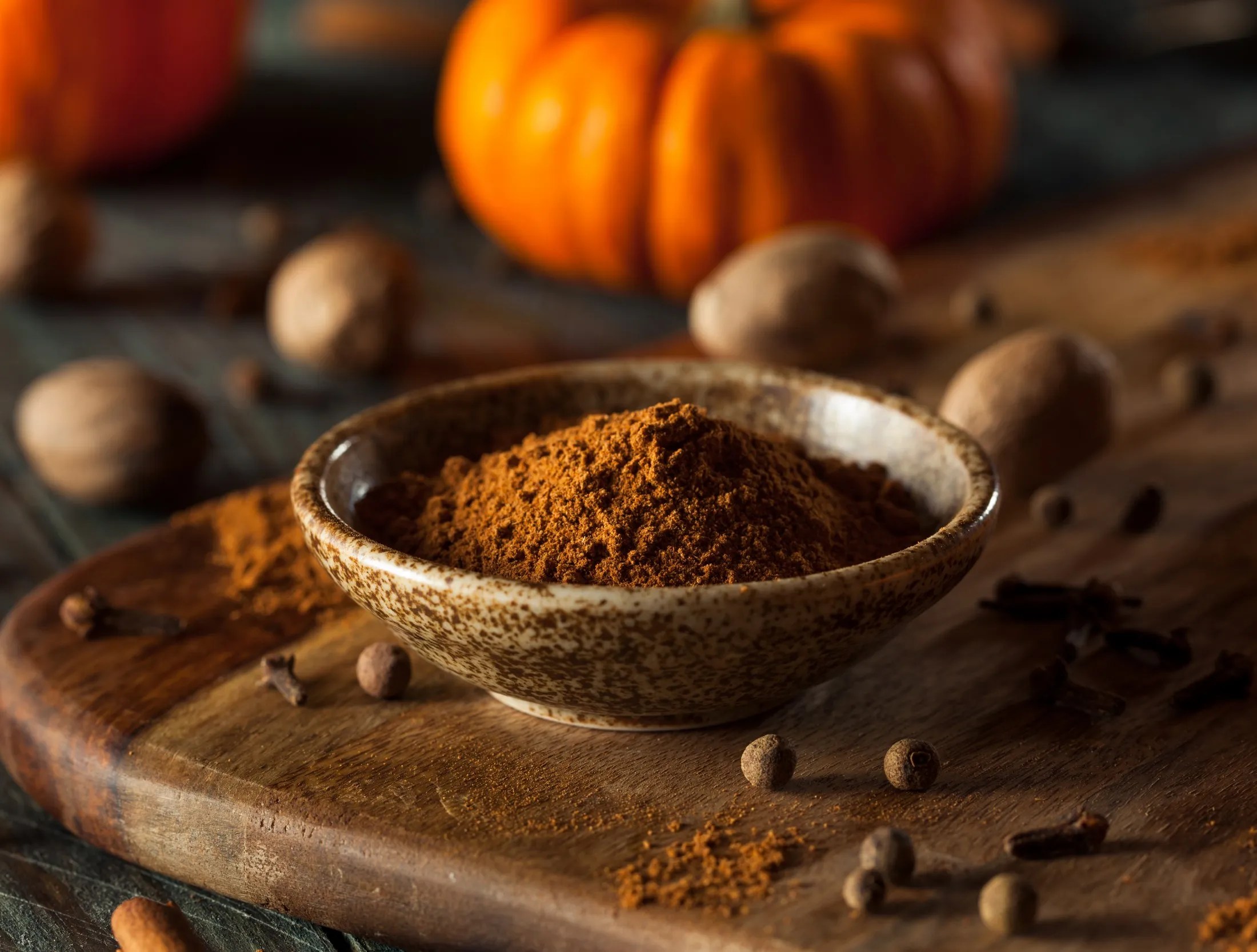
The first thing that may surprise you is that pumpkin spice does not actually contain pumpkin. Despite its name, it is a mixture of spices that are traditionally used to flavour pumpkin pie, one of America’s best-known autumn desserts.
The main ingredients are usually cinnamon, ginger, nutmeg, and cloves or allspice. Each spice brings something different to the mixture. Cinnamon gives it a sweet and warm taste, ginger adds a little heat, while nutmeg and cloves create a stronger, richer flavour. When mixed together, these ingredients produce the smell that many people now connect with autumn.
Although the spices themselves have been used for hundreds of years in different parts of the world, the mixture became especially popular in the United States because of pumpkin pie.
Pumpkin pie is a traditional American dessert made with pumpkin, eggs, milk, sugar, and spices. It is particularly popular during Thanksgiving, which Americans celebrate every November. For many families, preparing and eating pumpkin pie is an important part of the holiday. Its smell fills the kitchen, and the dessert is often connected with childhood memories, family gatherings, and special moments.
The history of pumpkin spice as a ready-made product goes back to the early 20th century. In 1934, the American company McCormick introduced a prepared pumpkin pie spice mixture. Before that, people usually measured and mixed the individual spices themselves. The new product made baking easier, and it gradually became a familiar ingredient in American kitchens.
For decades, however, pumpkin spice was mainly something people used when making cakes and pies. Nobody could have imagined that one day it would become a worldwide coffee phenomenon.
The Birth of the Pumpkin Spice Latte
The big change came in 2003, when Starbucks decided to create a new drink for the autumn season.
At the time, the company was already successful with seasonal drinks, especially its Christmas products. Starbucks wanted to offer something that would make customers excited about autumn as well.
The company’s product development team started experimenting with different flavours. They considered several ideas, but pumpkin spice was not an obvious choice at first. It was a familiar baking flavour in America, but nobody knew whether customers would enjoy drinking it in their coffee.
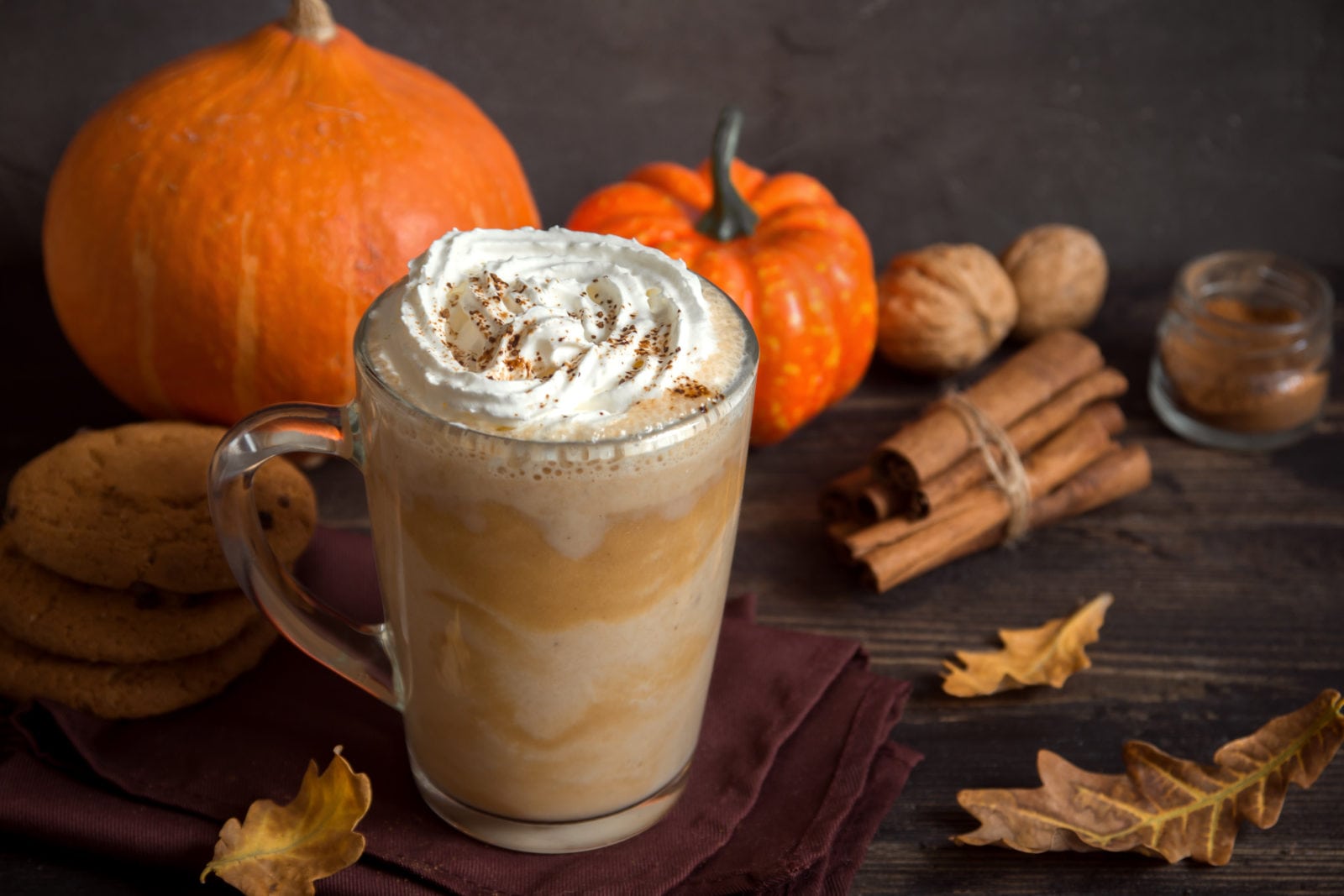
During the development process, the team even tasted pumpkin pie and then drank espresso to understand how the flavours worked together. After trying different combinations, they created a drink that mixed espresso, steamed milk, sweet pumpkin spice flavours, and whipped cream.
The result was the Pumpkin Spice Latte, or PSL, as fans often call it.
The drink first appeared in approximately 100 Starbucks locations in the United States and Canada in October 2003. It quickly became popular, and in 2004, Starbucks introduced it across both countries.
Over the following years, the Pumpkin Spice Latte became one of the company’s most famous drinks. Customers started waiting for its return every autumn, and Starbucks began treating its arrival as an important seasonal event.
The original success of the drink also encouraged other coffee shops to introduce similar products. What had started as an experiment soon became a major trend in the coffee industry.
Interestingly, the early Starbucks Pumpkin Spice Latte did not contain actual pumpkin. The flavour came mainly from spices and other ingredients. It was only in 2015 that Starbucks added real pumpkin purée to the recipe.
Today, the Pumpkin Spice Latte is much more than a coffee drink. It has become a symbol of autumn itself.
Why Do We Connect Pumpkin Spice with Autumn?
To understand the popularity of pumpkin spice, we need to think about what autumn means to people.
For many of us, autumn is a season of change. The days become shorter, the air gets cooler, and the trees slowly lose their leaves. We put away our summer clothes, take out our coats and jumpers, and begin spending more time indoors.
There is something special about returning home after a cold walk and enjoying a warm drink. Autumn is also the perfect time for reading books, watching films, lighting candles, and relaxing under a blanket while the rain falls outside.
Pumpkin spice has become part of this comfortable autumn atmosphere.
Its warm smell reminds people of freshly baked cakes and family kitchens. The mixture of cinnamon, ginger, and nutmeg creates a flavour that feels especially pleasant when the weather is cold.
However, there is more to its popularity than taste alone.
Our sense of smell has a strong connection with memory and emotion. A familiar smell can remind us of people, places, or experiences from years ago. For example, the smell of cinnamon might remind someone of Christmas baking, while the smell of pumpkin pie might bring back memories of Thanksgiving dinners.
For Americans who grew up with pumpkin pie, pumpkin spice often has a strong emotional meaning. It reminds them of family celebrations and happy moments from childhood.
For people in other countries, the connection may be different. They might not have grown up eating pumpkin pie, but they can still enjoy the warm and comfortable feeling that pumpkin spice products promise.
In this way, pumpkin spice has become part of a larger idea of autumn. It represents not only a flavour but also a particular atmosphere and lifestyle.
How Social Media Made Pumpkin Spice Famous
Although Starbucks helped make pumpkin spice popular, social media played an important role in turning it into an international cultural phenomenon.
During the 2010s, platforms such as Instagram, Facebook, Pinterest, and later TikTok helped create a very recognisable picture of autumn.
Think about the photographs we often see online at this time of year. Colourful leaves cover the streets, people wear oversized jumpers, cafés are decorated with pumpkins, and someone is holding a warm cup of coffee.
Pumpkin spice fits perfectly into these pictures.
Every year, people began sharing photographs of their first Pumpkin Spice Latte of the season. Some posted pictures while sitting in cafés, while others photographed their drinks surrounded by autumn leaves or Halloween decorations.
For many people, buying a pumpkin spice drink became a way of celebrating the beginning of autumn.
Businesses quickly realised how useful this trend could be. Coffee shops and food companies introduced more and more pumpkin spice products, knowing that customers would share photographs and talk about them online.
Soon, the flavour appeared in products that had very little connection with traditional pumpkin pie. There were pumpkin spice biscuits, chocolates, ice creams, cereals, and even snacks.
The trend became so large that people started making jokes about it. Every autumn, the internet fills with funny pictures suggesting that companies will soon add pumpkin spice to absolutely everything.
But even these jokes help keep pumpkin spice in the public eye. Whether people love the trend or laugh at it, they continue talking about it.
The Secret of Seasonal Marketing
Another reason behind the enormous success of pumpkin spice is the way companies sell it.
Most pumpkin spice products are not available throughout the entire year. Instead, they return for a limited period, usually from late summer or early autumn until the beginning of winter.
This makes them feel special.
Imagine that you have a favourite drink, but you can only buy it for three months each year. When it finally returns, you are probably more excited about ordering it than you would be if it were available every day.
This is exactly what makes seasonal products so attractive. Their limited availability encourages people to enjoy them before they disappear again.
Starbucks has used this idea very successfully. The return of the Pumpkin Spice Latte is often announced as a major event, and customers begin discussing it even before autumn officially starts.
Other companies have followed the same strategy. They release special autumn collections with packaging decorated with pumpkins, orange leaves, and warm colours.
These products are designed to create a feeling. When customers see them, they immediately think of autumn, Halloween, cosy evenings, and seasonal celebrations.
As a result, companies are not simply selling coffee, biscuits, or candles. They are also selling the experience of autumn.
Of course, this is clever marketing, but it works because many people genuinely enjoy seasonal traditions.
From an American Tradition to a Global Trend
Pumpkin spice may have become famous in the United States, but its popularity has now reached many other parts of the world.
International coffee chains helped introduce the flavour to customers in Europe, Asia, and other regions. As Starbucks expanded, the Pumpkin Spice Latte became available in more and more countries.
At the same time, American films, television programmes, and social media helped spread the image of an autumn filled with pumpkins, colourful leaves, and warm drinks.
In countries such as Hungary, pumpkin pie has never been as important a tradition as it is in the United States. Many Hungarians are more familiar with pumpkin as an ingredient in soups or roasted dishes than in sweet pies.
Nevertheless, pumpkin spice drinks and desserts have become increasingly familiar, particularly in larger cities and international coffee shops.
For some people, trying a pumpkin spice latte is simply a chance to taste something different. For others, it is part of enjoying the atmosphere of autumn.
It is interesting how a flavour with such strong American cultural roots can become popular in countries where the original tradition hardly exists.
This shows how easily food trends can travel around the world, especially when international brands and social media help introduce them to new audiences.
Does Everyone Love Pumpkin Spice?
Of course not! Like almost every popular trend, pumpkin spice has its critics.
Some people find pumpkin spice drinks much too sweet. Others think that the flavour is too strong or that it does not belong in coffee at all.
There are also people who are simply tired of seeing pumpkin spice products everywhere during autumn. They believe that companies have turned an ordinary spice mixture into an unnecessary commercial trend.
And they are not completely wrong. A large part of pumpkin spice’s popularity is connected with successful advertising and seasonal marketing.
However, it is also worth remembering that the spices themselves are nothing new. Cinnamon, ginger, cloves, and nutmeg have been used in cooking and baking for centuries.
What has changed is the way people think about them.
Today, pumpkin spice is no longer just an ingredient. It has become a cultural symbol, a marketing success story, and a small seasonal tradition for millions of people.
You do not have to enjoy pumpkin spice lattes to understand why they are popular. Sometimes, people simply like having little traditions that make the changing seasons feel more exciting.
More Than Just a Cup of Coffee
When we look at the history of pumpkin spice, its success is quite remarkable. What began as a mixture of spices used for baking pumpkin pies became the flavour of one of the world’s most famous seasonal drinks. From there, it spread into supermarkets, cafés, homes, and social media feeds around the globe.
Its popularity is partly the result of clever marketing, but that is not the whole story. Pumpkin spice also connects with something very human: our love of familiar smells, happy memories, and small traditions.
Autumn can be a beautiful season, but it also brings colder weather, darker evenings, and the feeling that another year is slowly coming to an end. Perhaps this is one reason why people enjoy making it feel special. A warm drink, a favourite jumper, a walk among colourful trees, or the smell of cinnamon in the kitchen can turn an ordinary day into something memorable.
And that is probably the real secret behind pumpkin spice. It is not only about the ingredients or even the taste. It is about the feeling people connect with it.
Some of us welcome autumn with a long walk in the forest. Others prefer staying at home with a good book or watching a favourite film while the rain falls outside.
And for millions of people, the season simply would not feel complete without that first pumpkin spice latte.
So, the next time you see pumpkin spice products appearing in shops, remember that there is a surprisingly interesting story behind them. A simple mixture of spices has managed to become one of the most recognisable symbols of modern autumn culture.
Not bad for something that started in a pumpkin pie!

