In 1984, George Michael released a song that would eventually become much bigger than anyone could have expected. It was elegant, sad and unmistakably Eighties — but what really made people stop and listen came before he even sang a single word.
That saxophone.
The opening melody of Careless Whisper has become so closely connected with the song that it almost has a life of its own. It can sound romantic, lonely, nostalgic or even slightly dramatic, depending on where you hear it. Over the years, it has appeared everywhere from radio stations and films to internet memes and social media videos. And yet behind those famous notes is a much more personal story: a teenage George Michael, a complicated love life, a song written years before fame arrived, and a young musician who already knew exactly how he wanted his music to sound.
Perhaps the strangest part is that George Michael was only 17 years old when the story of Careless Whisper began.
From Georgios to George Michael
George Michael was born Georgios Kyriacos Panayiotou in East Finchley, London, on 25 June 1963. Music fascinated him from childhood. He later remembered repeatedly playing records by artists such as Tom Jones and The Supremes, and by his teenage years he already knew that he wanted a life in music.
One of the most important people he met during those years was Andrew Ridgeley, a school friend who shared his love of artists such as David Bowie, Queen and Elton John. They first played together in a short-lived ska group called The Executive before forming Wham! in 1981.
Wham! quickly became one of the defining pop acts of the early 1980s. Songs such as Young Guns (Go for It!), Wake Me Up Before You Go-Go, Freedom, Everything She Wants and, of course, Last Christmas made George Michael and Andrew Ridgeley international stars.

But George was already developing into something more than a teenage pop idol. He was writing, arranging and producing music, and his interests went far beyond Wham!’s colourful image. Careless Whisper was one of the first clear signs of the serious songwriter and solo performer he would later become.
Wham! eventually separated in 1986, and Michael’s first full solo album, Faith, followed in 1987. It made him one of the world’s biggest pop stars. During his career he moved between pop, soul, R&B and dance music and became known not only for his voice but also for his songwriting and production. He sold more than 100 million records worldwide and became one of the most important British pop artists of his generation.
George Michael died on Christmas Day in 2016 at the age of 53. In 2023, he was inducted into the Rock & Roll Hall of Fame, confirming his lasting place in popular music history.
A Melody on a Bus
The beginning of Careless Whisper was much less glamorous.
George Michael later remembered getting the idea for its famous saxophone melody while travelling on a bus during his teenage years. He did not immediately sit down at a piano or record it in a studio. Instead, he kept the melody in his head and developed it mentally over the following months.
Andrew Ridgeley also played an important part in the song. Careless Whisper is officially credited to George Michael and Andrew Ridgeley, and Ridgeley helped develop its chord sequence while the two young musicians were still trying to build a career.
That fact makes the song even more remarkable. It sounds like the work of an experienced adult looking back on a painful relationship, but much of it was created by two teenagers who had not yet released a successful record.
The Real Story Behind the Lyrics
Although Careless Whisper is often treated as a romantic slow song, it is not really a love song in the traditional sense.
It is a song about guilt.
George Michael later explained that its emotional idea came partly from his own teenage relationships. At the time, he had been seeing more than one girl and had begun to understand the guilt and confusion that could come from being unfaithful.
The story in the song imagines a relationship reaching its final moment. Two people are dancing, but something between them has already been broken.
That is why dancing is so important in the lyrics. Dancing normally suggests closeness and romance, but here it becomes uncomfortable. The narrator knows that he has destroyed something that cannot simply be repaired.
The famous idea of having “guilty feet” gives the song its central image. He can dance physically, but emotionally the dance is no longer possible. Trust has disappeared.
Interestingly, Michael himself later seemed almost surprised by the emotional power people found in the song. In later interviews, he pointed out that he had written it when he was only seventeen, at an age when he felt he knew very little about adult relationships.
Perhaps that is part of its strength. The emotions are not complicated by years of analysis. They are simple and immediate: attraction, betrayal, regret and the painful realisation that some mistakes cannot be undone.
Finding the Perfect Sound
Writing the song was only the beginning.
An early demo existed before Wham! became successful, but when the time came to create a professional version, George Michael was extremely demanding about how the record should sound.
At one stage, he travelled to the famous Muscle Shoals studio in Alabama to work with legendary American producer Jerry Wexler, whose career included recordings with some of the biggest names in soul music.
But Michael was not happy with the result.
So he decided to start again.
Back in London, a new version of the song was recorded. One particular problem was the saxophone. Michael already knew exactly what he wanted the melody to sound like, but finding somebody who could reproduce the sound in his head proved surprisingly difficult.
Several saxophonists were tried before session musician Steve Gregory finally produced the performance Michael wanted.
That became the saxophone line we know today.
It is difficult to imagine Careless Whisper without it.
The saxophone does not simply decorate the song. It almost acts like another voice. Before George Michael even starts singing, the instrument has already created an atmosphere of regret, loneliness and late-night romance.
The finished recording also showed something that would become a major feature of Michael’s career: his perfectionism. Even at around twenty years old, he was prepared to reject expensive recordings and respected musicians if they did not match the sound he could hear in his head.
From Wham! to George Michael
Careless Whisper was released on 23 July 1984.
There was an unusual situation surrounding its release. The song also appeared on Wham!’s Make It Big album and had been co-written with Andrew Ridgeley, but in the United Kingdom it was released under George Michael’s own name. In the United States, it was marketed as Wham! featuring George Michael.
For British listeners, therefore, it became George Michael’s first solo single.
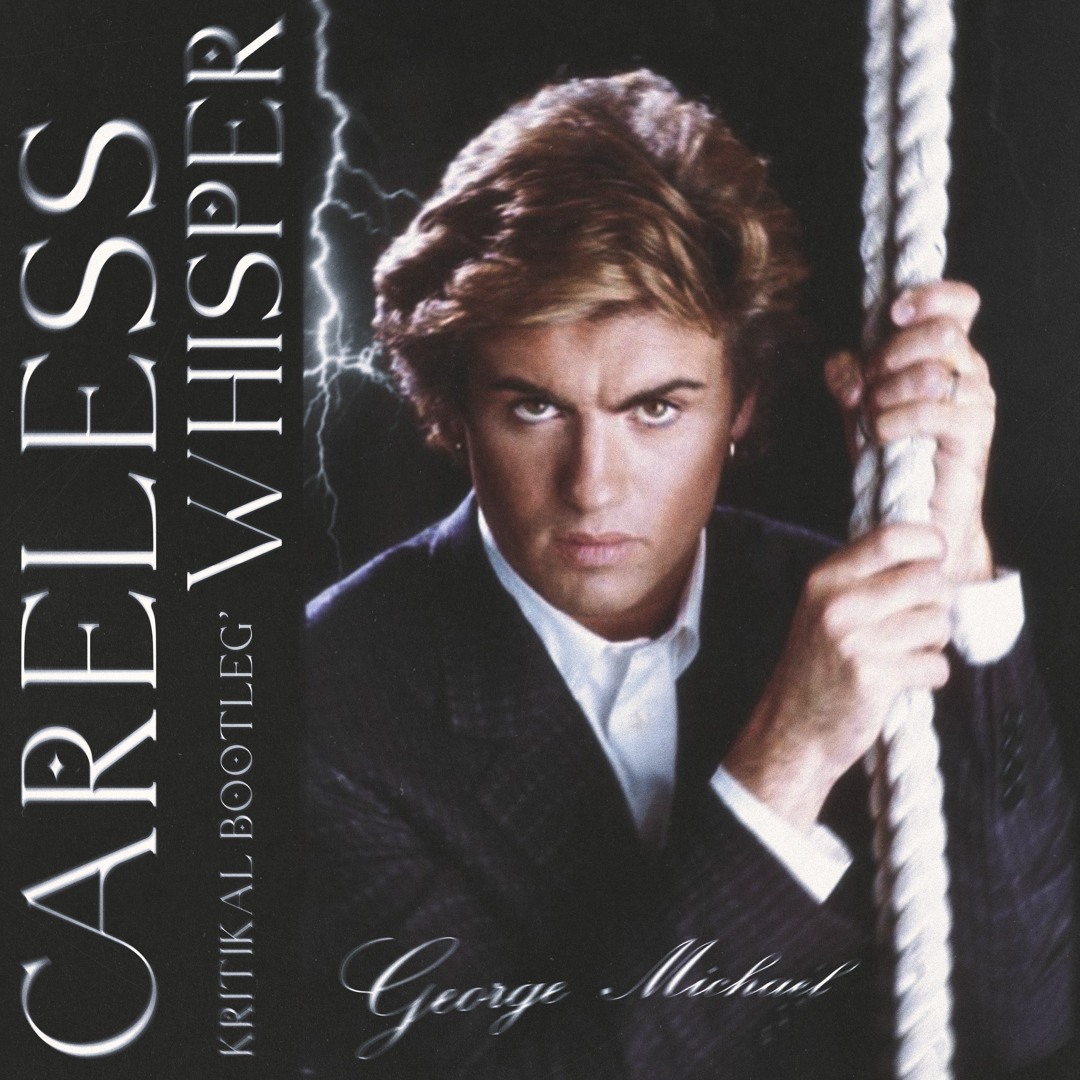
And it was enormous.
The song reached Number One in the UK, where it remained at the top for three weeks. It also topped charts around the world and eventually reached Number One in more than twenty countries.
More importantly, it changed how people saw George Michael.
Wham! had already made him famous, but Careless Whisper presented another side of him: emotional, serious and musically ambitious. In retrospect, the song sounds almost like a doorway between two careers — George Michael the Wham! star on one side and George Michael the solo artist on the other.
It showed audiences that behind the colourful clothes, energetic videos and cheerful pop image was a songwriter capable of creating something much more emotional and mature.
The Saxophone Riff That Became Part of Pop Culture
The commercial success of Careless Whisper is impressive, but its cultural life may be even more remarkable.
Its opening saxophone melody has become one of the most recognisable instrumental hooks in popular music. Over time, it stopped belonging only to the original record. It became a musical symbol in its own right.
Today, the riff can suggest romance, seduction and nostalgia — or sometimes exaggerated romance used for comedy.
It has appeared in television programmes, films, advertisements, internet memes and social media videos. Younger listeners may even recognise the saxophone melody from online culture before they know the name of the original song.
That is an unusual achievement. Very few instrumental passages from 1980s pop songs have become so deeply connected with popular culture.
At the same time, Careless Whisper has never disappeared into nostalgia.
For its 40th anniversary in 2024, the song was celebrated again with a special release. By then, it had sold millions of copies, collected billions of streams and views, and reached completely new generations through platforms such as Spotify, YouTube and TikTok.
More than forty years after its first release, people were still discovering it.
That says something important about the song itself.
Its popularity is not based only on memories of the 1980s. The melody, the atmosphere and the emotions still work even for listeners who were born decades after the song was recorded.
A Song That Outlived Its Era
Careless Whisper also played an important role in keeping the saxophone connected with mainstream pop music.
During the 1980s, saxophone solos became a familiar part of many pop and rock records. Songs by artists such as Bruce Springsteen, INXS, Hall & Oates and many others used the instrument to create powerful emotional moments.
But few saxophone parts became as famous as the one in Careless Whisper.
Its influence can still be heard whenever modern musicians use the saxophone to create an instantly nostalgic or romantic atmosphere. In many ways, the song helped create the popular image of the saxophone as the ultimate instrument for late-night romance.
Of course, that image is now sometimes used humorously as well.
And perhaps that is another sign of how deeply the song has entered popular culture. Something must be extremely familiar before people can parody it and expect everybody else to understand the joke.
More Than an Eighties Ballad
It would be easy to remember Careless Whisper simply as one of the great slow songs of the 1980s. The fashion, the glamorous music video and that unmistakable saxophone immediately place it in its era.
But the reason it has lasted is probably much simpler.
The song is about something people still understand perfectly: knowing that you have hurt somebody and realising that saying sorry may not be enough.
George Michael was only seventeen when he began creating it. He could hardly have imagined that the melody in his head during an ordinary bus journey would still be heard more than four decades later.
He may even have remained slightly confused about why this early song became so important to people.
The rest of us seem to have decided otherwise.
Because after all these years, those first few saxophone notes are still enough.
The music starts, the dance floor appears in our imagination — and Careless Whisper begins all over again.

