From Shakespeare’s greatest characters to Captain Picard and Professor X, Sir Patrick Stewart spent more than six decades bringing unforgettable personalities to life. The legendary British actor died on 28 October 2026, aged 86, leaving behind an extraordinary career and a legacy that reaches far beyond the stage and screen.
For much of his early career, Patrick Stewart’s world was the theatre: Shakespeare, long rehearsals, and the challenge of holding an audience’s attention with nothing but his voice and presence. Then, in his late forties, he found himself commanding a starship on American television. Captain Picard brought him international fame, while Professor Xavier introduced him to another generation of filmgoers. Yet Stewart never left his theatrical roots behind. Whether he was playing a Shakespearean king, a starship captain or a superhero mentor, there was always something unmistakably Patrick Stewart about his performances: intelligence, warmth and a quiet sense of authority.
His death was announced on 29 October 2026. According to a statement released by his family, he passed away the previous day at his home in Los Angeles, surrounded by love and cared for by his wife, Sunny Ozell. He had been living with Alzheimer’s disease and Lewy body dementia, conditions that had not previously been made public.
From a Yorkshire Childhood to the Shakespearean Stage
Patrick Stewart was born on 13 July 1940 in Mirfield, a small town in West Yorkshire, England. His childhood was far removed from the glamorous world of Hollywood. His family lived in modest circumstances, and their home lacked many basic comforts.
Life was not always peaceful, either. Stewart later spoke openly about the domestic violence he witnessed as a child. His father, a former soldier who had served during the Second World War, frequently behaved violently towards his mother. These experiences left a lasting impression on the young Patrick.
Fortunately, he discovered something that would transform his life: acting.
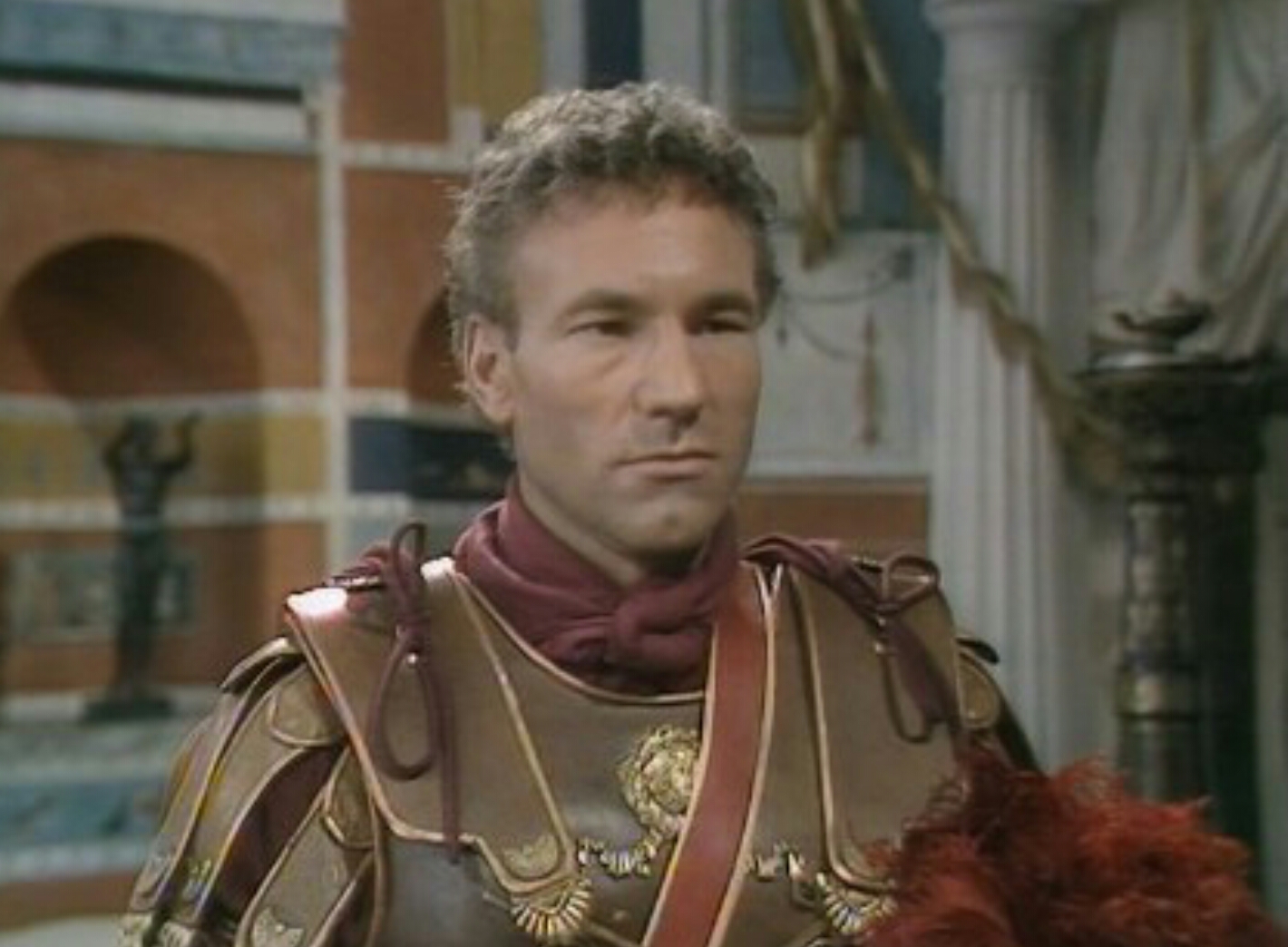
Encouraged by teachers who recognised his talent, Stewart became involved in amateur theatre while still a boy. He developed a particular love for Shakespeare and eventually won a scholarship to the Bristol Old Vic Theatre School.
His professional career began in the theatre, and during the 1960s, he joined the prestigious Royal Shakespeare Company. He spent 14 years as a member of the company, performing in numerous classical productions and developing the powerful voice, remarkable stage presence and emotional depth that would later make him internationally famous.
Over the following decades, he portrayed some of Shakespeare’s most challenging characters, including Macbeth, Prospero and Mark Antony. His performance in a 2007 production of Macbeth, which later transferred to Broadway, earned him a Tony Award nomination.
For Stewart, Shakespeare was never simply an early chapter of his career. It remained a lifelong passion.
The Captain Who Changed Star Trek
In 1987, Stewart accepted a role that would change his life forever.
He was cast as Captain Jean-Luc Picard in Star Trek: The Next Generation, a new television series set nearly a century after the adventures of Captain James T. Kirk.
At the time, Stewart was already an experienced stage actor, but he was hardly a household name outside theatre circles. The idea of appearing in an American science-fiction television series was certainly a departure from his Shakespearean background.
The series, however, became an enormous success.
Running from 1987 to 1994, Star Trek: The Next Generation introduced audiences to a different kind of spaceship captain. Picard was thoughtful, diplomatic and deeply interested in philosophy, history and literature. Rather than solving every problem through violence, he often preferred discussion, cooperation and careful judgement.

Stewart gave the character a unique combination of authority and vulnerability. His commanding voice could fill the bridge of the Enterprise, yet his quieter scenes frequently revealed a compassionate and deeply human individual.
The character became one of the most recognisable figures in science-fiction history. Stewart went on to portray Picard in four feature films before returning to the role in Star Trek: Picard, which ran from 2020 to 2023.
For many fans, Picard represented the best of humanity: intelligence, curiosity, tolerance and the determination to do what is right, even when doing so is difficult.
And perhaps that is why Stewart’s portrayal remained so memorable.
A Professor Who Believed in Peace
Stewart’s second internationally famous role arrived in 2000, when he appeared as Professor Charles Xavier in the first X-Men film.
As the founder of a school for young mutants, Xavier believed that people with extraordinary abilities should not be feared or rejected simply because they were different. His dream was to create a world in which humans and mutants could live together peacefully.
Once again, Stewart portrayed a character whose greatest strength was not physical power, but wisdom, empathy and moral conviction.
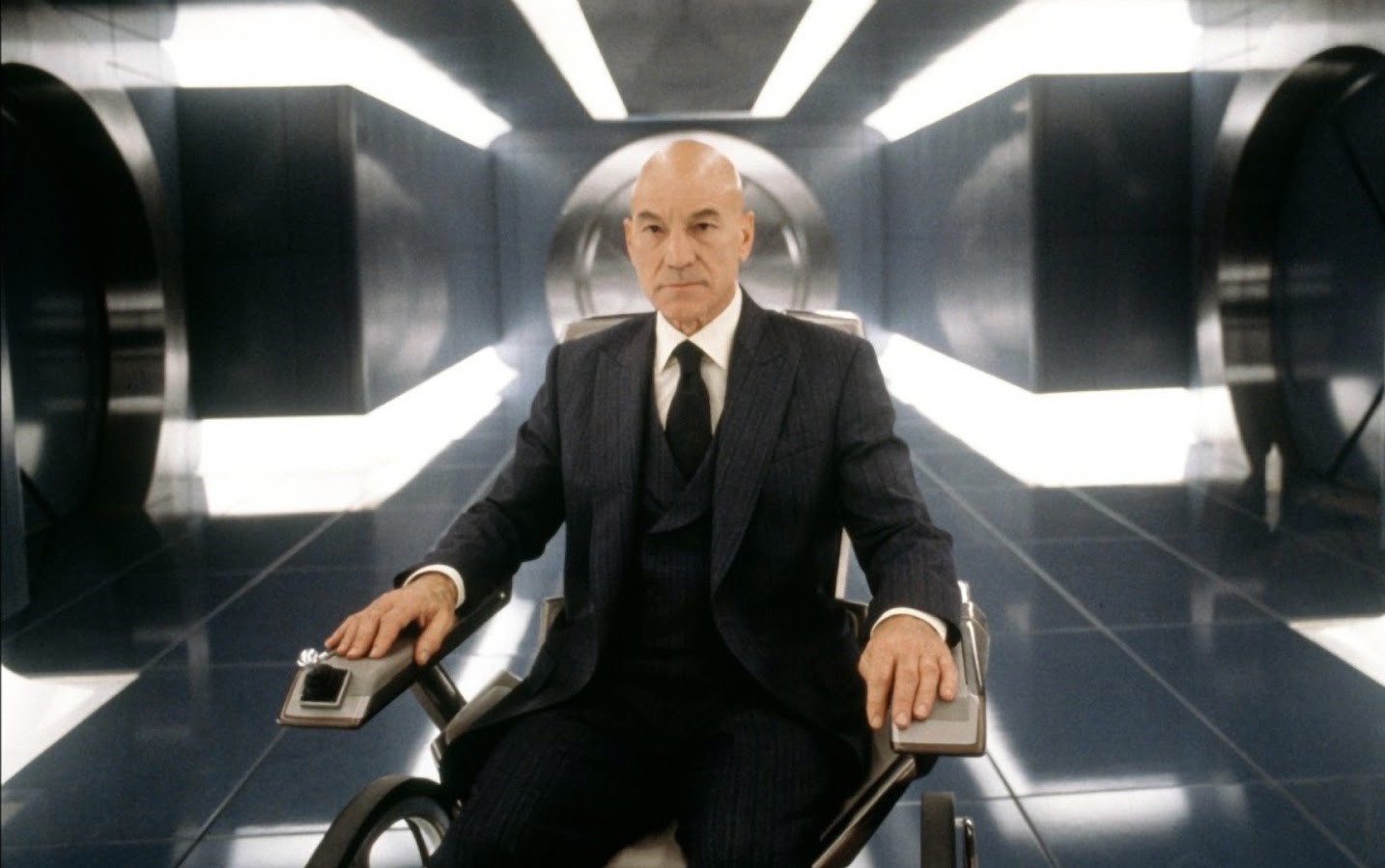
His performance became a defining part of the film franchise, and he returned to the character several times, including in X2, X-Men: The Last Stand, X-Men: Days of Future Past and Logan.
The 2017 film Logan offered audiences a particularly moving interpretation of Professor Xavier. Older, more vulnerable and struggling with declining health, the character was very different from the confident mentor viewers had first met in 2000.
Stewart’s performance demonstrated his ability to express powerful emotions without relying on dramatic speeches or spectacular action sequences.
Interestingly, the X-Men films also strengthened one of the most charming friendships in British entertainment: his relationship with Sir Ian McKellen, who played Xavier’s old friend and frequent opponent, Magneto.
More Than a Serious Actor
Although Stewart became widely associated with serious, intellectual characters, he also possessed a wonderful sense of humour.
He was never afraid to make fun of his own dignified public image. His memorable appearance as an exaggerated version of himself in the British comedy series Extras demonstrated a completely different side of his personality.
He also lent his distinctive voice to numerous productions, including the animated television series American Dad!, in which he played the eccentric CIA director Avery Bullock.

His friendship with Ian McKellen delighted audiences both on and off the stage. The two actors worked together in productions of Samuel Beckett’s Waiting for Godot and Harold Pinter’s No Man’s Land, proving that their professional relationship extended far beyond the superhero universe.
Their friendship became especially popular with fans, offering a glimpse of two legendary performers who clearly enjoyed each other’s company.
A Voice for Those Who Needed Help
Stewart’s influence was not limited to entertainment.
Having witnessed domestic violence during his childhood, he became an outspoken supporter of organisations helping victims of abuse. He worked with Refuge, a British charity dedicated to supporting women and children affected by domestic violence.
By speaking publicly about his own experiences, Stewart helped draw attention to a subject that is often surrounded by silence and shame.
He also supported humanitarian causes and served as an ambassador for the International Rescue Committee, an organisation that assists people affected by war, persecution and humanitarian crises.
His contributions to acting were formally recognised in 2010, when Queen Elizabeth II knighted him for his services to drama.
Despite his international fame, Stewart never forgot his working-class Yorkshire roots or the people who had encouraged him during his early years.
In 2023, he published his autobiography, Making It So: A Memoir, in which he reflected on his childhood, his long career, his personal struggles and the remarkable experiences that had shaped his life.
The book offered readers an opportunity to discover the man behind the familiar characters.
An Extraordinary Legacy
The death of Sir Patrick Stewart marks the end of a remarkable chapter in British theatre and international entertainment.
His career connected worlds that might otherwise seem completely different: Shakespearean tragedy, American science fiction, Hollywood superhero films, television comedy and voice acting.
Few performers have moved between these genres with such confidence and distinction.
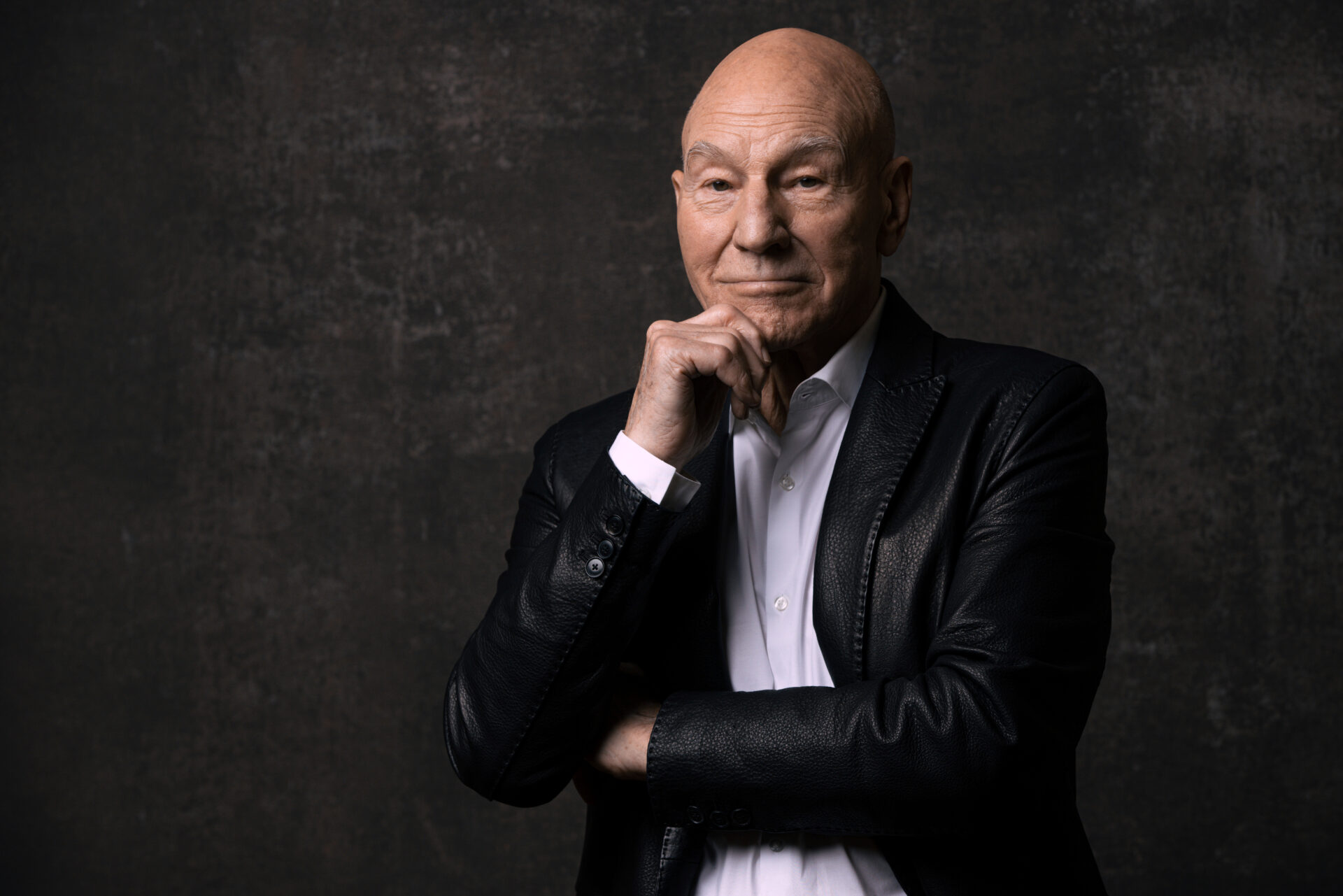
Yet perhaps his greatest achievement was not simply the number of memorable characters he portrayed, but the humanity he brought to them.
Captain Picard taught audiences the value of reason, responsibility and understanding. Professor Xavier represented the hope that people could overcome their differences. And through his work beyond the screen, Stewart reminded people that compassion and courage also matter in the real world.
For more than six decades, his extraordinary voice entertained, inspired and comforted audiences across the globe.
That voice has now fallen silent, but the characters, performances and memories he leaves behind will continue to reach new generations.

