As October comes to an end, pumpkins appear in shop windows, candles light up cemeteries, and an old debate returns to Hungarian social media. Halloween, All Saints’ Day and All Souls’ Day follow one another on the calendar, but they are not the same celebration. So where do these traditions come from, and why do they cause so much confusion?
Halloween – October 31: A Night of Ghosts and Costumes
When most people hear the word Halloween, they probably imagine carved pumpkins, witches, ghosts, skeletons and children knocking on doors, shouting “Trick or treat!” Although these traditions are particularly popular in the United States, Halloween has a much longer and more complicated history.
Its roots are often connected to Samhain, an ancient Celtic festival marking the end of the harvest season and the beginning of winter. People believed that the boundary between the living and the dead became thinner at this time of year, allowing spirits to return to the world of the living. Bonfires, disguises and other customs were associated with the changing seasons and the supernatural.
However, historians warn that the relationship between ancient Samhain and modern Halloween is not as simple as it is sometimes presented. Halloween developed over many centuries, combining different folk traditions and Christian influences.
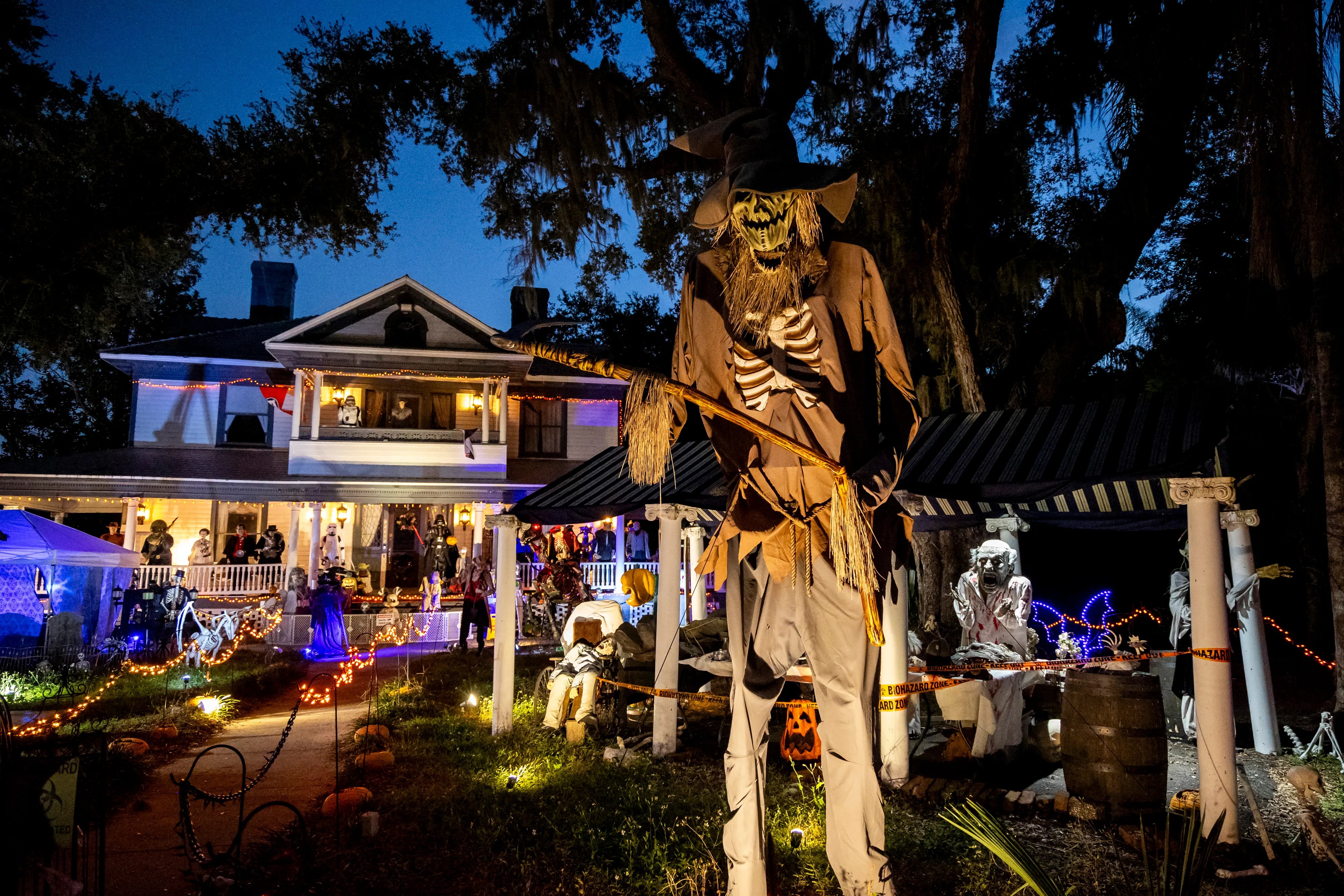
In fact, the name Halloween itself has a Christian origin. It comes from All Hallows’ Eve, meaning the evening before All Saints’ Day. The word hallow is an old English word meaning a saint or holy person.
Over time, particularly through Irish and Scottish immigration to North America, Halloween developed into the celebration we recognise today. Traditional carved turnips were gradually replaced by pumpkins, costumes became more imaginative, and trick-or-treating became a popular activity for children.
Today, Halloween is largely a secular celebration, focusing on entertainment rather than religion. For many people, dressing up as a vampire or decorating a house with plastic skeletons is simply a bit of harmless fun.
All Saints’ Day – November 1: Remembering the Saints
Just one day after Halloween comes All Saints’ Day, known in Hungarian as Mindenszentek.
Unlike modern Halloween, All Saints’ Day is an important Christian religious celebration, particularly in the Catholic Church. Its purpose is to honour all the saints who are believed to be in heaven, including those whose names are not officially recognised or recorded in the Church’s calendar.
The tradition developed during the early centuries of Christianity, when believers remembered martyrs who had died for their faith. Over time, the celebration expanded to include all saints, and November 1 became its established date in the Western Church.
In Hungary, All Saints’ Day is a public holiday. Churches hold special services, while many families visit cemeteries to decorate graves with flowers, especially chrysanthemums, and light candles.
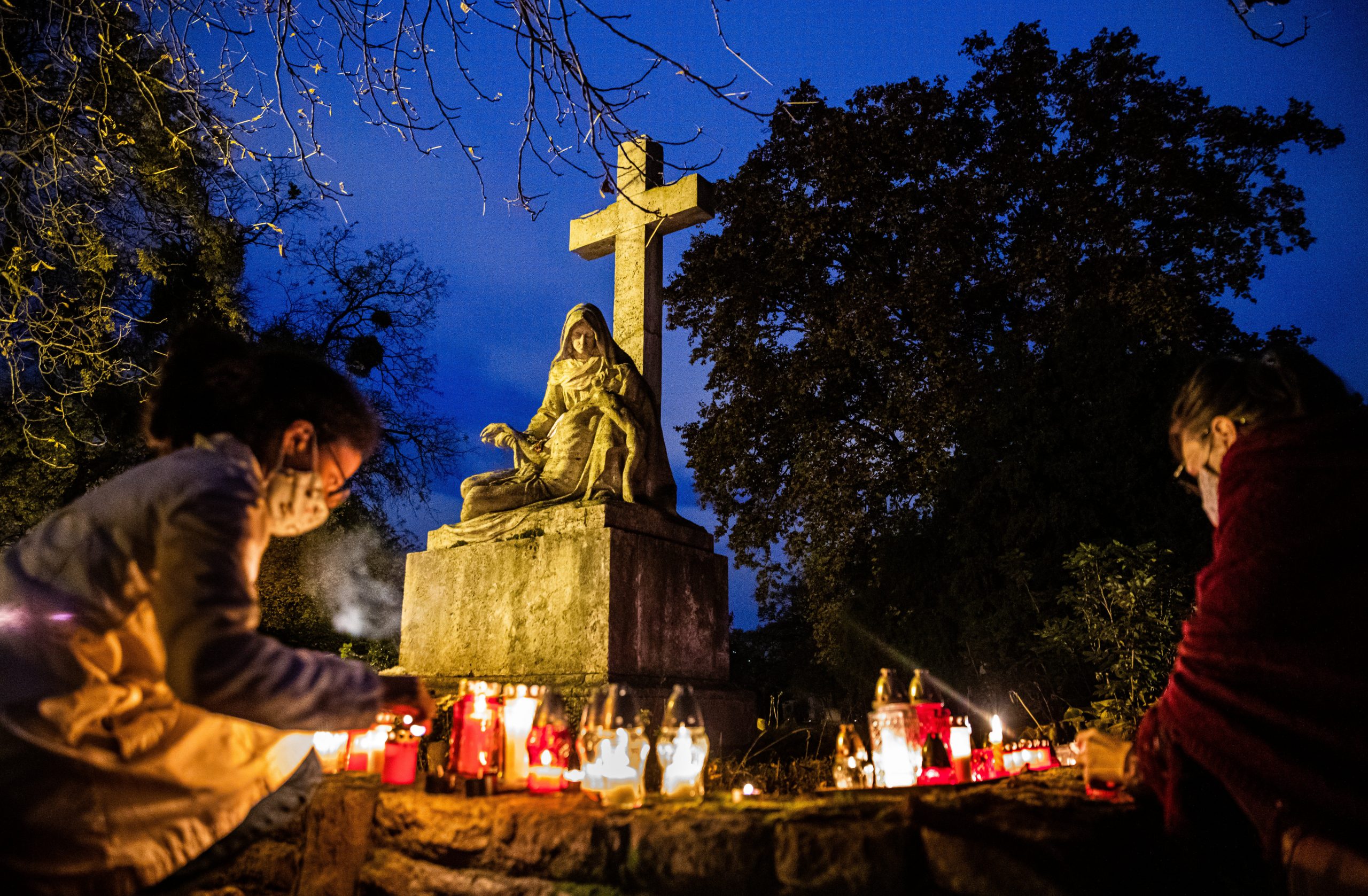
Interestingly, these cemetery visits are not strictly part of the religious meaning of All Saints’ Day. In Hungarian everyday life, however, the customs associated with All Saints’ Day and All Souls’ Day have become closely connected.
For many Hungarians, November 1 is therefore not only a religious occasion but also a time to remember parents, grandparents, relatives and friends who are no longer alive.
As darkness falls, thousands of candles illuminate cemeteries across the country, creating a peaceful and emotional atmosphere.
All Souls’ Day – November 2: Remembering Those We Have Lost
The third occasion is All Souls’ Day, or Halottak napja in Hungarian, celebrated on November 2.
Although it is often confused with All Saints’ Day, its religious meaning is different.
While All Saints’ Day honours those already in heaven, All Souls’ Day focuses on the faithful departed. According to Catholic teaching, people pray especially for the souls of those who have died but are still undergoing purification before entering heaven.
The celebration became established in Western Christianity during the Middle Ages, with the monastery of Cluny playing an important role in spreading the November 2 observance.
In Hungary, All Souls’ Day is not a public holiday, but it remains an important part of the country’s religious and cultural traditions.
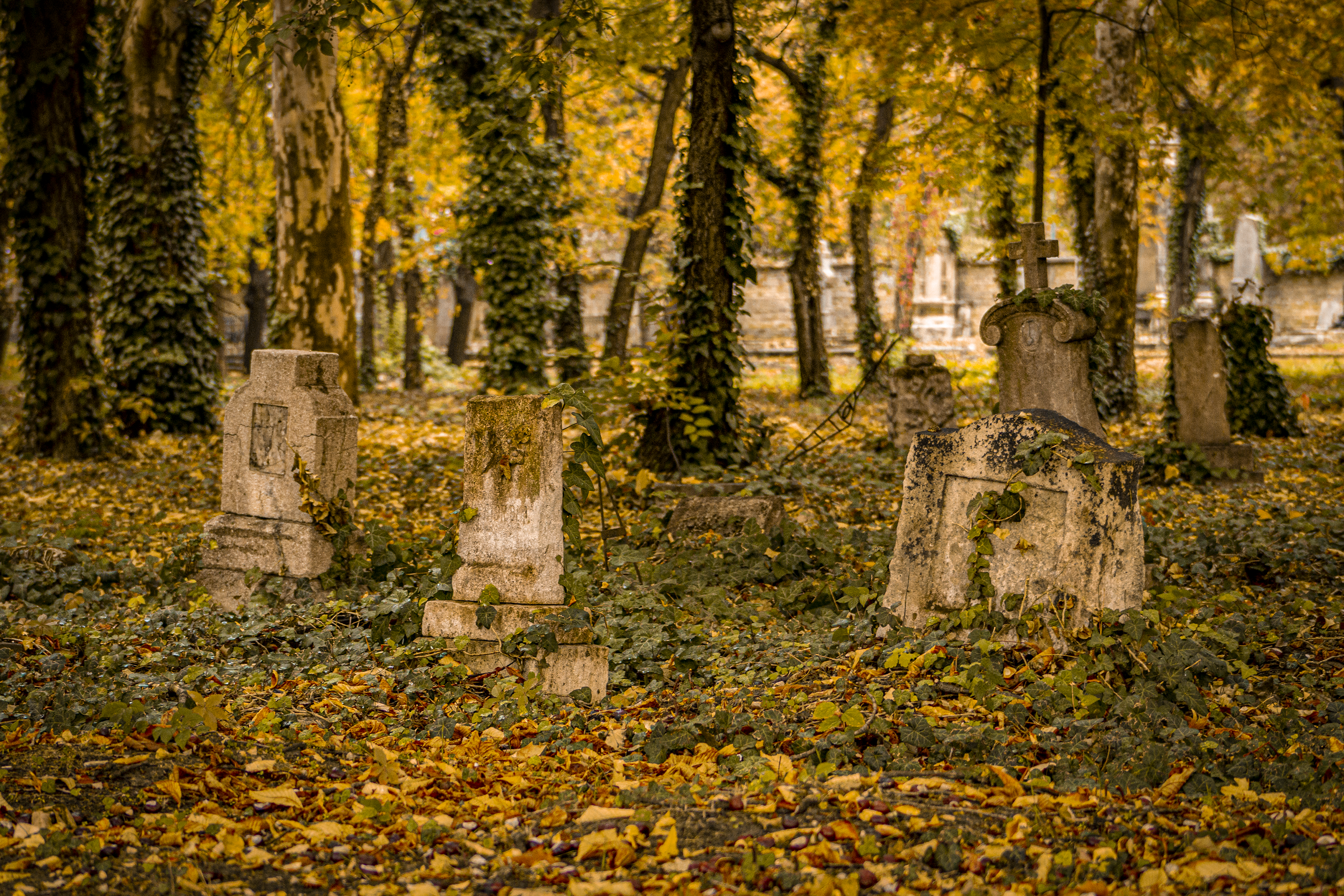
Families visit graves, place flowers and wreaths beside headstones, and light candles in memory of their loved ones. Some people say prayers, while others simply spend a few quiet moments remembering those they have lost.
It is worth pointing out that Hungarians do not necessarily wait until November 2 to visit cemeteries. Because November 1 is a day off work, many families visit graves on All Saints’ Day instead, or sometime during the surrounding weekend.
This is one reason why the two occasions are so frequently mixed up.
Why Is Halloween So Controversial in Hungary?
Every October, the same argument returns to Hungarian social media. As shops begin selling Halloween decorations and schools organise costume parties, comments appear claiming that Halloween has no place in Hungarian culture.
Some people argue that Hungary already has its own traditions for remembering the dead and does not need an imported American celebration. Others are concerned about Halloween’s associations with witches, demons, death and the supernatural. Certain religious communities even consider the celebration incompatible with Christian beliefs.
Another common criticism is that Halloween is simply an American commercial invention, encouraged by businesses hoping to sell costumes, sweets and decorations.
There is also a widespread misunderstanding about what Halloween actually is. Many Hungarians confuse Halloween with All Saints’ Day, or assume that the two celebrations are competing versions of the same holiday.
The fact that Halloween takes place immediately before All Saints’ Day certainly contributes to this confusion. However, the three occasions have different purposes, even though their histories are connected.
The debate can occasionally become surprisingly heated. In October 2025, for example, a planned public Halloween pumpkin-carving event in the Hungarian village of Zebegény caused controversy when the local mayor refused to allow it in the village’s main square, arguing that the celebration did not fit local traditions. The event was eventually held on private property.
Yet there is another side to the story.
For many Hungarians, especially younger generations, Halloween has nothing to do with religion or disrespecting the dead. It is simply an opportunity to dress up, carve pumpkins, watch horror films or spend an enjoyable evening with friends.
And while the modern version of Halloween is strongly associated with American popular culture, its origins are European. Its name even refers directly to a Christian celebration.
Cultural traditions have always changed and travelled between countries. Christmas trees, for example, became widespread in Hungary through German cultural influence, while Valentine’s Day is another relatively recent addition to the Hungarian calendar.
As cultural anthropologists have pointed out, adopting a new custom does not automatically mean abandoning an older one.
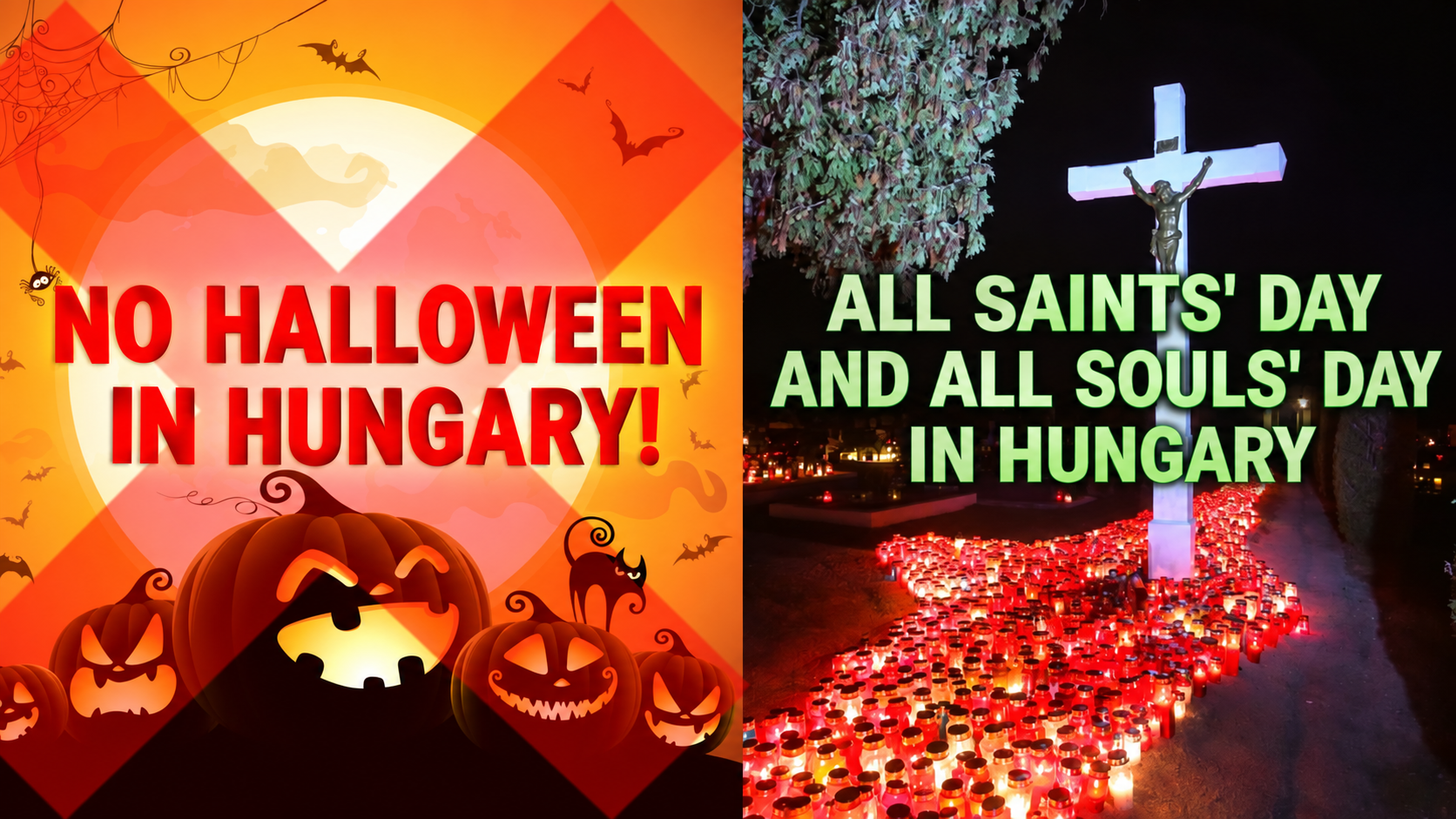
Can Halloween and Hungarian Traditions Coexist?
Perhaps the most important thing to understand is that Halloween, All Saints’ Day and All Souls’ Day do not have to compete with one another.
A family might carve pumpkins and enjoy a costume party on October 31, attend church or visit the cemetery on November 1, and remember deceased relatives on November 2.
There is no necessary contradiction between these activities.
Of course, not everyone has to celebrate Halloween. Religious beliefs, personal preferences and family traditions deserve respect. Someone who finds Halloween inappropriate should not feel pressured to take part in it.
At the same time, celebrating Halloween does not necessarily mean disrespecting Christian traditions or forgetting deceased family members.
In many ways, the three occasions reflect different human responses to the same universal subject: death.
Halloween approaches death through imagination, humour and sometimes fear. All Saints’ Day approaches it through Christian faith and the celebration of holiness. All Souls’ Day focuses on remembrance, grief, prayer and the continuing emotional connection between the living and the dead.
Perhaps that is what makes these three autumn days so interesting. Behind the pumpkins, costumes, flowers and candles lies a subject that every culture has tried to understand.

