The Great Smog of 1952 – A deadly disaster that changed Britain forever
London has always been famous for its fog. For centuries, writers, painters and filmmakers have used its mysterious atmosphere to create unforgettable scenes. However, in December 1952, the familiar London fog turned into something far more dangerous. For five days, the British capital was covered by a thick, poisonous cloud that brought everyday life to a standstill and killed thousands of people.
What initially seemed like an ordinary winter weather event became one of the worst environmental disasters in British history.
Five Days of Darkness
On Friday, 5 December 1952, London woke up to cold weather and fog. There was nothing particularly unusual about this. Thick fogs were common in the city, especially during winter, and Londoners had even given them the nickname pea-soupers because of their yellowish colour.
However, this particular fog was different.
As the day continued, it became increasingly thick. Visibility dropped to just a few metres, making it almost impossible for drivers and pedestrians to find their way through the streets. Buses stopped running, cars were abandoned, and people struggled to recognise familiar buildings.
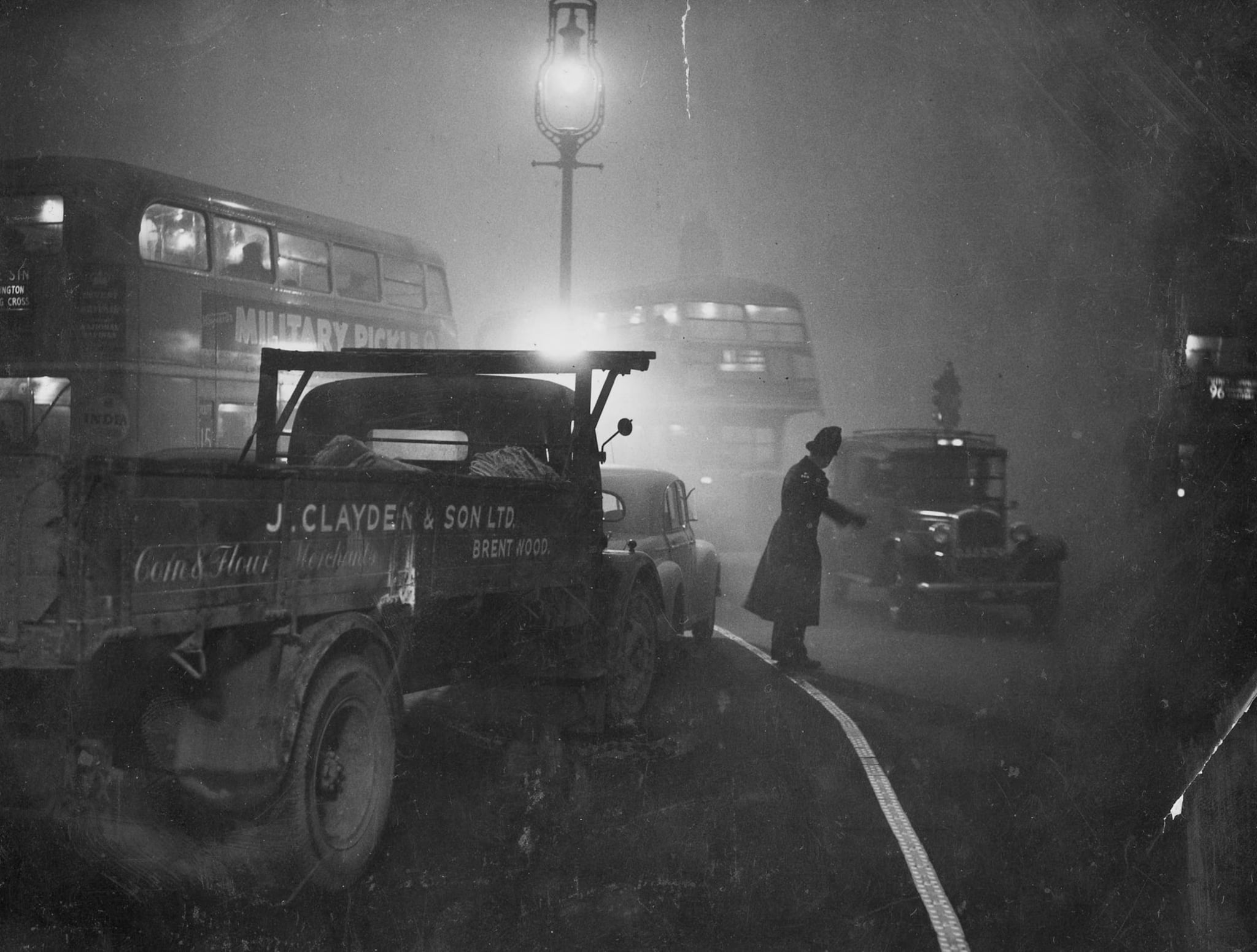
The situation was particularly frightening after dark. Streetlights were barely visible, and even walking a short distance could become dangerous.
The fog also entered buildings through doors and windows. It was so thick that some indoor performances had to be cancelled because audiences could not see the stage.
But poor visibility was only part of the problem. The air itself had become poisonous.
What Caused the Great Smog?
The disaster was caused by an unfortunate combination of weather conditions and air pollution.
In the early 1950s, coal was Britain’s main source of energy. Most London homes used coal fires for heating, while factories and power stations released large amounts of smoke into the atmosphere.
December 1952 was particularly cold, so people burned even more coal than usual.
At the same time, a weather phenomenon known as a temperature inversion developed over London. Normally, warm air rises and carries pollution away. However, during an inversion, a layer of warmer air traps colder air beneath it, preventing smoke and harmful gases from escaping.
As a result, coal smoke mixed with natural fog, creating a dense cloud of toxic pollution.
The situation became worse with every passing day.
The Terrible Human Cost
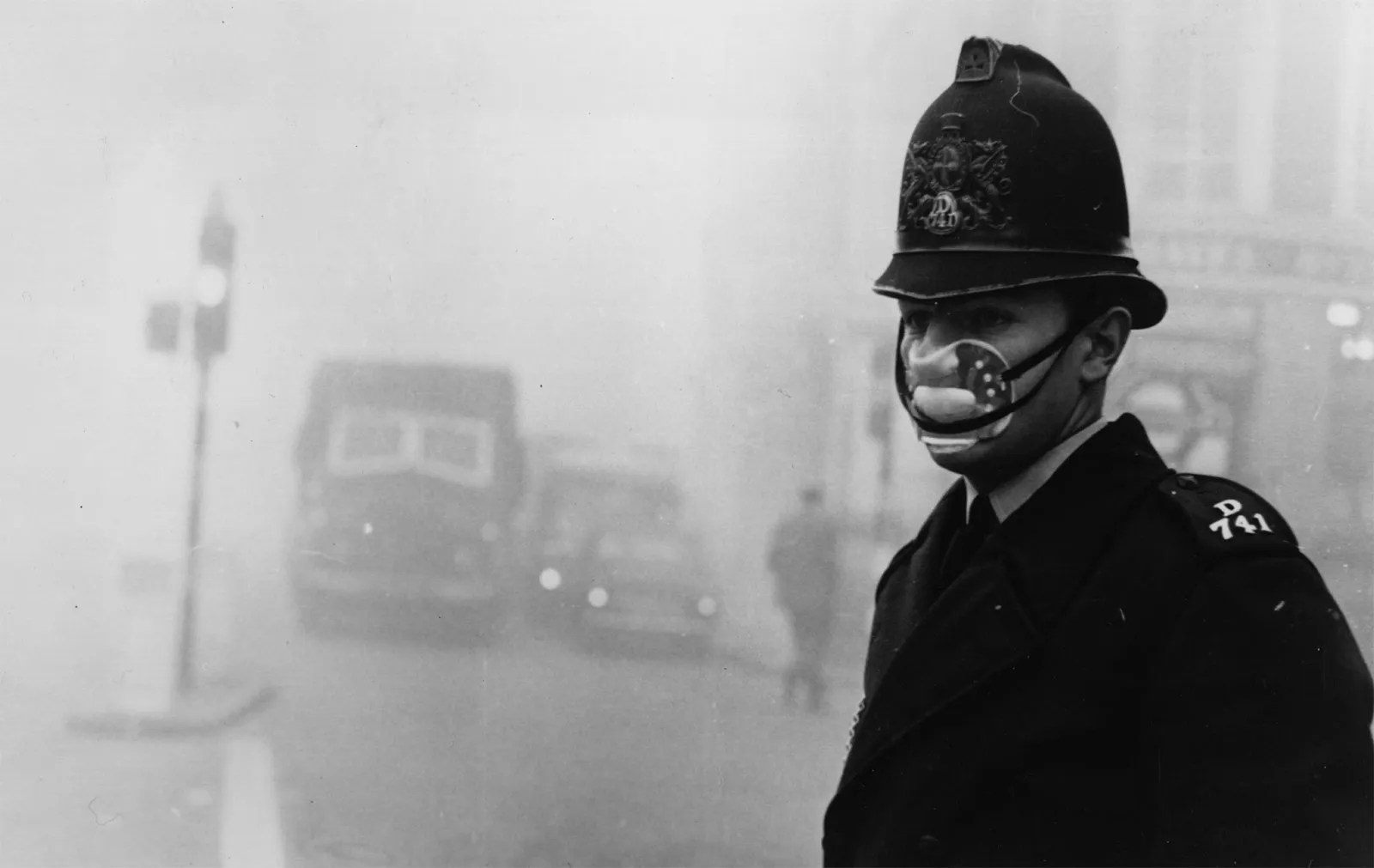
Hospitals began treating increasing numbers of people suffering from breathing difficulties. Elderly people, young children and those with existing heart or lung conditions were particularly vulnerable.
Many victims developed serious respiratory problems, while others experienced worsening symptoms of illnesses they already had.
Interestingly, the full scale of the disaster was not immediately understood. Londoners were accustomed to fog, and the authorities initially paid more attention to transport problems than to the growing health emergency.
When the fog finally disappeared on 9 December, the city could breathe again. However, the damage had already been done.
Early estimates suggested that approximately 4,000 people had died because of the smog. Later research, which also considered deaths occurring in the following weeks and months, placed the estimated number at around 12,000.
The Great Smog had become one of the deadliest air pollution disasters ever recorded.
The Great Smog in The Crown
The disaster was introduced to a new generation through Netflix’s historical drama The Crown.
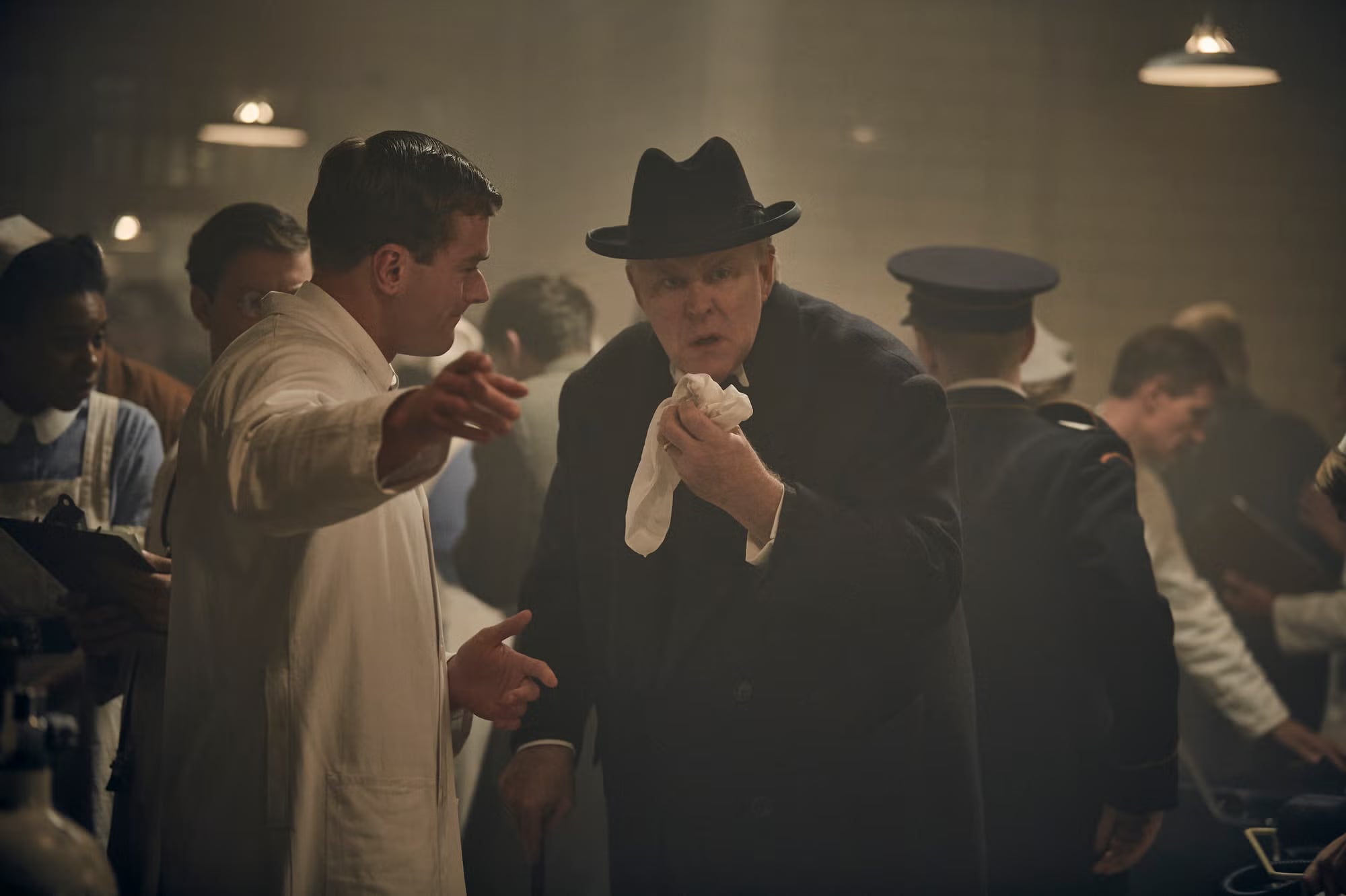
The fourth episode of the first season, entitled Act of God, recreates the events of December 1952, with John Lithgow portraying Prime Minister Winston Churchill and Claire Foy playing the young Queen Elizabeth II.
The episode shows London gradually disappearing beneath a thick layer of fog. Streets become almost invisible, hospitals struggle to cope, and the government appears unable to respond effectively.
Churchill initially dismisses the seriousness of the situation, while some political figures begin questioning his leadership. The Queen is eventually encouraged to consider asking him to resign.
One of the episode’s most emotional storylines involves Venetia Scott, a young secretary working for Churchill.
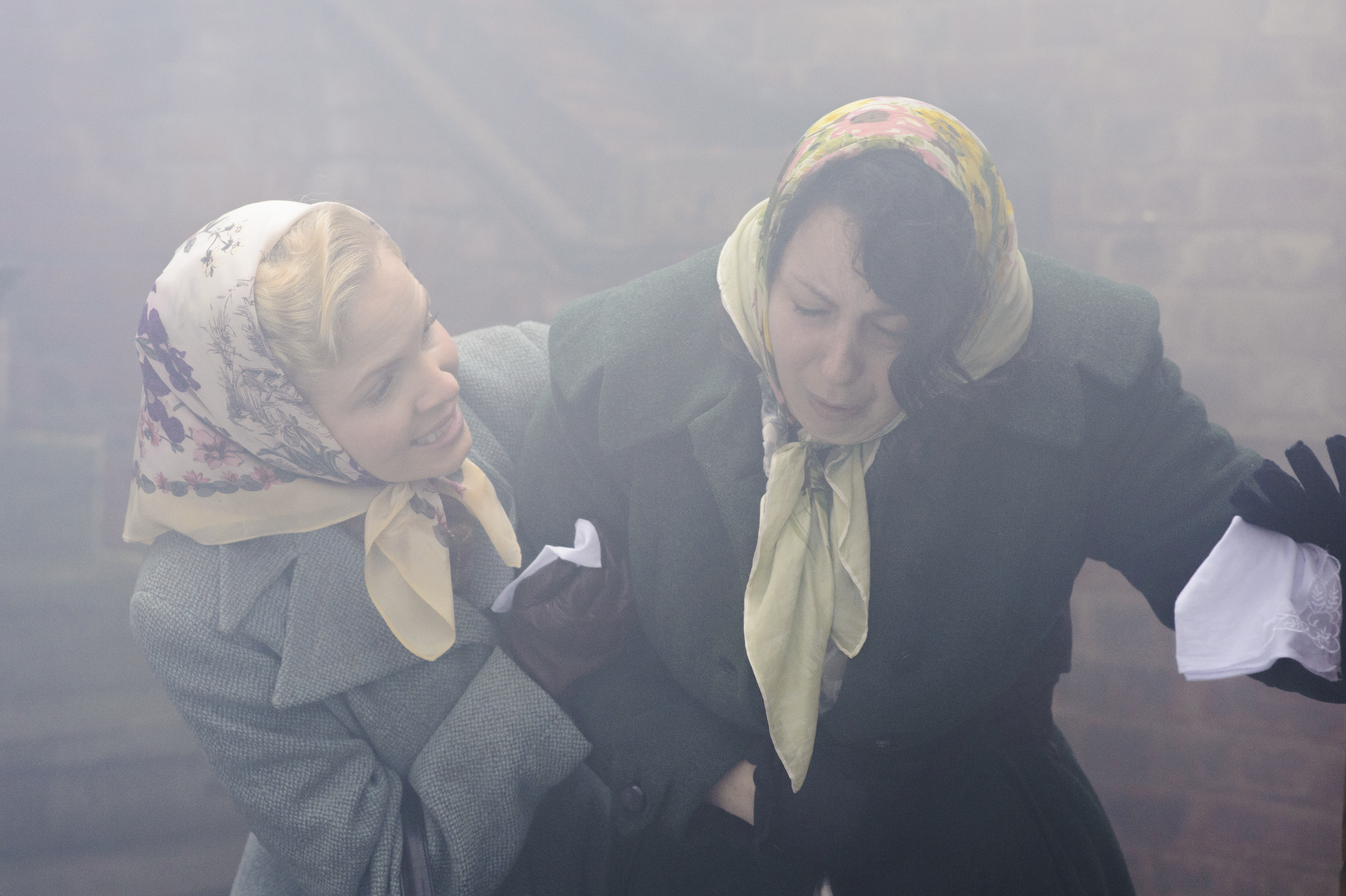
Venetia becomes concerned about the crisis and later dies after being struck by a bus in the thick fog. Her death finally forces Churchill to recognise the seriousness of the disaster.
He visits a hospital, sees the suffering for himself and delivers a powerful speech promising action against air pollution.
It makes for excellent television. However, not everything happened this way.
Where History Meets Fiction
Although The Crown accurately presents the dangerous nature of the smog, several important elements were invented for dramatic purposes.
Most notably, Venetia Scott was not a real historical person. She was a fictional character created to represent Churchill’s secretarial staff and to give the tragedy a more personal dimension.
Her dramatic death beneath a bus was therefore entirely fictional.
There is also no reliable historical evidence that Queen Elizabeth seriously considered forcing Churchill to resign because of the disaster.
Similarly, Churchill’s emotional hospital visit and public speech, as presented in the episode, are not supported by historical records. In fact, there is no record of Churchill making such a public speech about the smog.
Nevertheless, the government’s slow reaction was real. The authorities did not immediately recognise the enormous human cost, and political action took time.
The series therefore combines a genuine national tragedy with invented personal stories and political conflicts.
A Disaster That Changed Britain
The Great Smog eventually became a turning point in British environmental history.
It demonstrated that air pollution was not simply an unpleasant part of industrial life. It could kill thousands of people in a matter of days.
In 1956, Parliament passed the Clean Air Act, which introduced important restrictions on smoke emissions and encouraged the use of cleaner fuels.
Although London’s pollution problems did not disappear overnight, the legislation helped transform the city’s air quality over the following decades.
Today, London’s famous yellow-brown fog belongs largely to history. Modern air pollution remains a serious concern, but the conditions that produced the Great Smog have been greatly reduced.
The events of December 1952 remind us that some of history’s most dangerous disasters do not arrive with explosions, earthquakes or floods.
Sometimes, they arrive quietly, looking like an ordinary winter morning.

