Watch Harry Potter and the Philosopher’s Stone today and one thing is almost impossible to ignore: everyone looks incredibly young. The film reached cinemas in 2001, introducing millions of viewers to Hogwarts for the first time. Daniel Radcliffe, Rupert Grint and Emma Watson were still children, standing at the beginning of something none of them could fully understand yet.
What was originally one fantasy film became an eight-film series lasting a decade. Audiences did not simply watch Harry, Ron and Hermione grow up – they watched the actors grow up with them.
Twenty-five years later, that first film feels almost like a time capsule. Some of its young stars are still acting, while others have chosen completely different paths. A few have returned to the Harry Potter world as adults. Meanwhile, several members of the older generation – actors who gave Hogwarts much of its warmth, mystery and authority – are sadly no longer with us.
So what happened to the people we first met in 2001?
Daniel Radcliffe – Harry Potter
Daniel Radcliffe was only eleven years old when he began playing Harry Potter, the orphaned boy who discovers on his eleventh birthday that he is a wizard. It was a role that changed his life almost overnight.
For ten years, Radcliffe was at the centre of one of the biggest film franchises in history. By the time Harry Potter and the Deathly Hallows – Part 2 arrived in 2011, he was no longer the small boy from the cupboard under the stairs but a 21-year-old actor facing an unusual problem: how do you build a new career after playing one of the most recognisable characters in modern popular culture?
Radcliffe’s answer was to make some surprisingly adventurous choices.
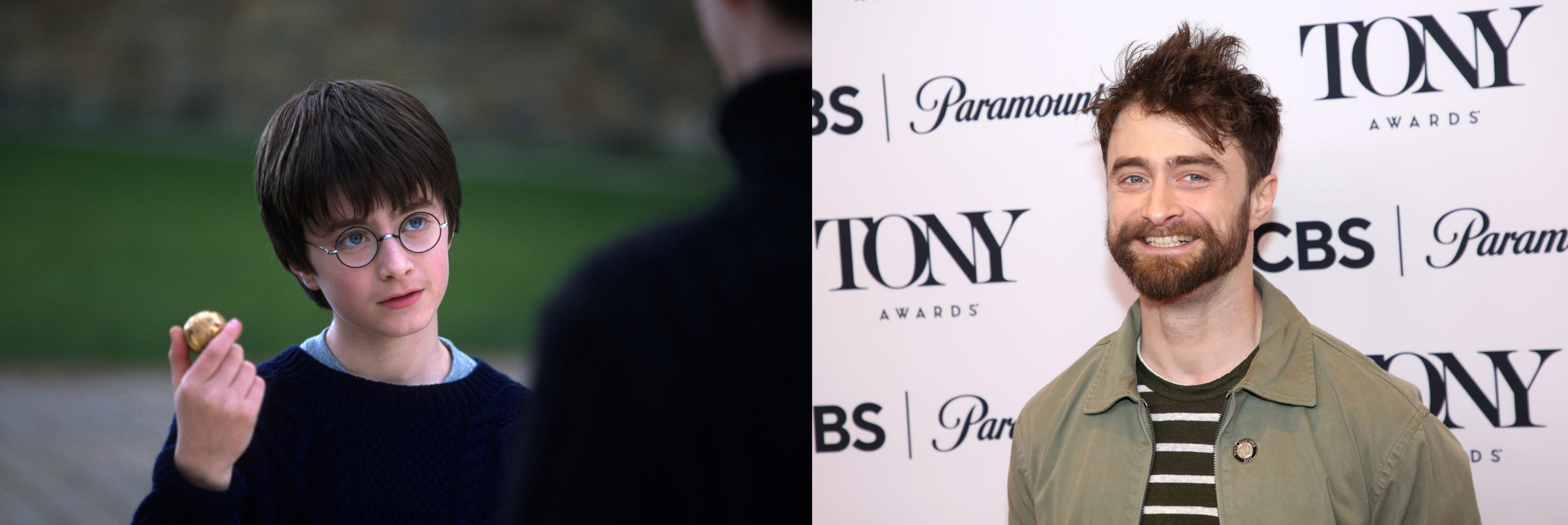
Instead of immediately looking for another huge Hollywood franchise, he moved between theatre, independent films, comedy and horror. He starred in the gothic horror film The Woman in Black, played poet Allen Ginsberg in Kill Your Darlings, appeared as Igor in Victor Frankenstein and became a talking corpse called Manny in the wonderfully strange Swiss Army Man. He later played musician “Weird Al” Yankovic in the comedy biopic Weird: The Al Yankovic Story.
Theatre has become especially important to him. He has appeared in several major productions in London and New York, proving that there was much more to him than Harry Potter. In 2024, this part of his career reached an important milestone when he won his first Tony Award for his performance as Charley Kringas in the Broadway revival of Stephen Sondheim’s Merrily We Roll Along.
Radcliffe has never completely rejected Harry Potter. He has often spoken warmly about the films and the opportunities they gave him. At the same time, his career since 2011 shows a clear desire not to be defined by a single role.
The little boy with the lightning-shaped scar eventually became one of the most adventurous actors of the original young cast.
Emma Watson – Hermione Granger
Emma Watson had almost no professional acting experience when she was chosen to play Hermione Granger, the brilliant, determined and sometimes slightly bossy Muggle-born witch who quickly becomes one of Harry’s closest friends.
Watson was only ten when filming began. Like Hermione, however, she soon became known for taking education seriously. Even while working on the Harry Potter films, she continued studying, and after the series she attended Brown University in the United States. She graduated in 2014 with a degree in English literature.
Her acting career also continued successfully. She appeared in The Perks of Being a Wallflower, Sofia Coppola’s The Bling Ring and Darren Aronofsky’s Noah. In 2017, she played Belle in Disney’s live-action Beauty and the Beast, one of the biggest films of that year. She later appeared as Meg March in Greta Gerwig’s Little Women.
At the same time, Watson increasingly developed a public life outside acting. In 2014, UN Women appointed her a Goodwill Ambassador, and she became closely associated with the HeForShe campaign promoting gender equality.
More recently, however, she has moved away from filmmaking.
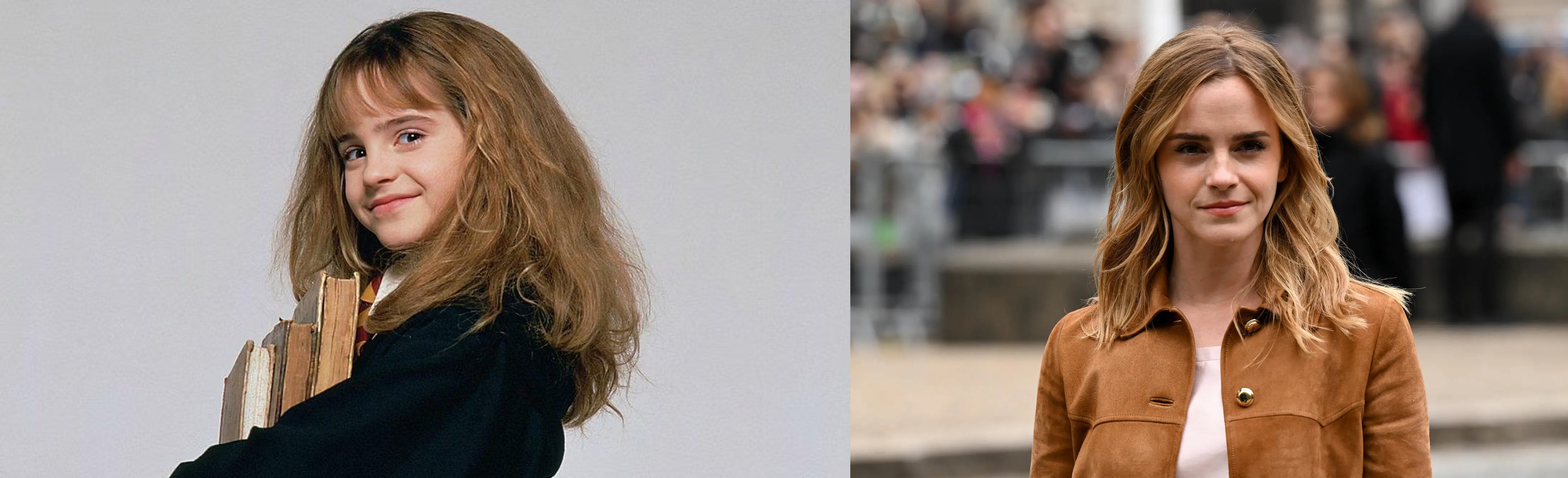
Watson has not appeared in a feature film since Little Women, which was released in 2019. In a 2025 interview, she explained that although she still missed acting itself, she did not miss the pressure surrounding the film industry, especially the constant promotion that came with major projects. She returned to academic life and began postgraduate studies in creative writing at Oxford University.
Her relationship with her Potter years is interesting too. Watson has described the Harry Potter set as an unusually close community. Because she spent so much of her childhood there, she expected later film sets to offer the same feeling of friendship and family – something she eventually discovered was not always the case.
Hermione once believed that there was almost nothing a book could not help solve. In a curious way, Watson’s own adult life has brought her back to books and education as well.
Rupert Grint – Ron Weasley
Rupert Grint was twelve when audiences first saw him as Ron Weasley, sitting opposite Harry on the Hogwarts Express and introducing him to Chocolate Frogs, Bertie Bott’s Every Flavour Beans and the complicated world of wizarding families.
Ron became one of the emotional centres of the series, but after ten years in the role Grint was less certain than some of his co-stars about remaining an actor.
He later spoke about the strange experience of spending nearly half his childhood playing the same character. After Potter, he deliberately avoided becoming part of another enormous franchise and took roles in smaller films and theatre productions.
His post-Potter projects included Into the White, CBGB and the television series Snatch. One of his most important adult roles came in M. Night Shyamalan’s psychological thriller series Servant, in which he played Julian Pearce. The Apple TV+ series ran for four seasons and allowed Grint to show a much darker, more complicated side of his acting.
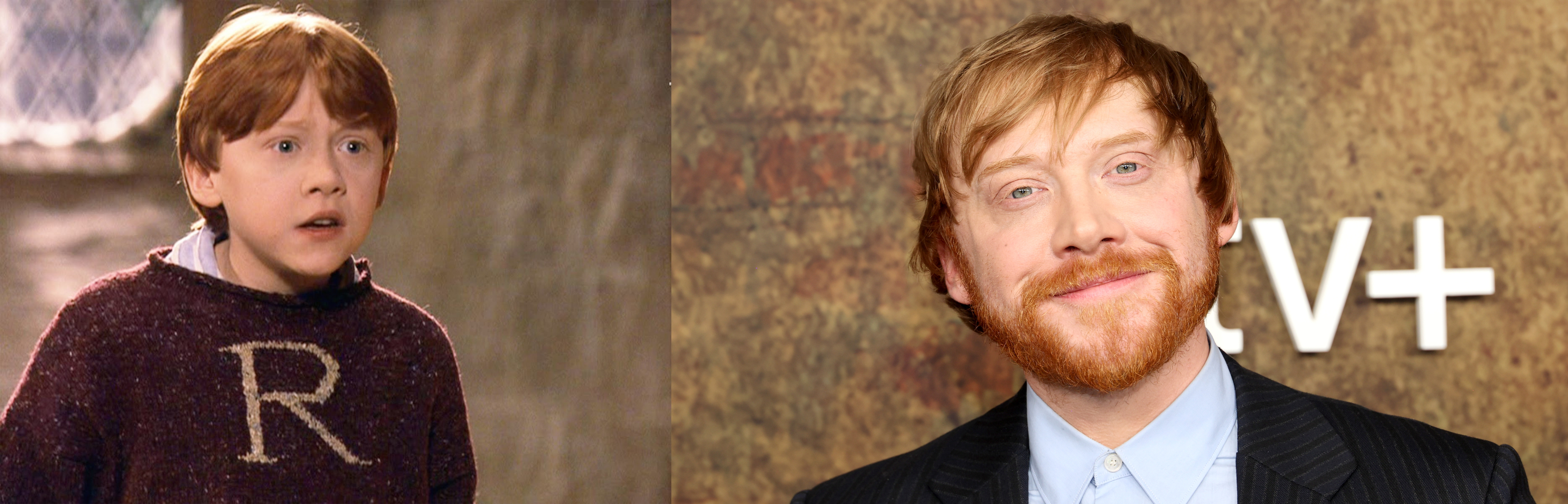
He also appeared in Shyamalan’s 2023 thriller Knock at the Cabin.
Away from acting, Grint’s life has become much quieter than the extraordinary public life he experienced as a teenager. He became a father in 2020, something that gave him an amusing connection with the adult Ron Weasley, who is also a parent in the stage story Harry Potter and the Cursed Child.
And now the two worlds are coming together.
In August 2026, it was announced that Grint would return to Ron Weasley for the first time since the original film series ended. From February to May 2027, he is scheduled to play the adult Ron in the Broadway production of Harry Potter and the Cursed Child.
It will be a remarkable full-circle moment. The boy who first played Ron before he was even a teenager will return to him in his late thirties – this time playing a husband and father.
Tom Felton – Draco Malfoy
With his pale blond hair, cold expression and famous question – “Red hair and a hand-me-down robe?” – Draco Malfoy quickly became one of the most recognisable students at Hogwarts.
Tom Felton was more experienced than some of the other young actors when the first Potter film was made. Interestingly, he did not originally see himself only as Draco: he also auditioned for Harry and Ron before eventually being cast as Harry’s Slytherin rival.
Felton appeared in all eight Potter films. After the series ended, he continued acting in film and television. One of his most visible early post-Potter roles was in Rise of the Planet of the Apes in 2011. He later worked on television productions including The Flash, as well as independent films and stage projects.
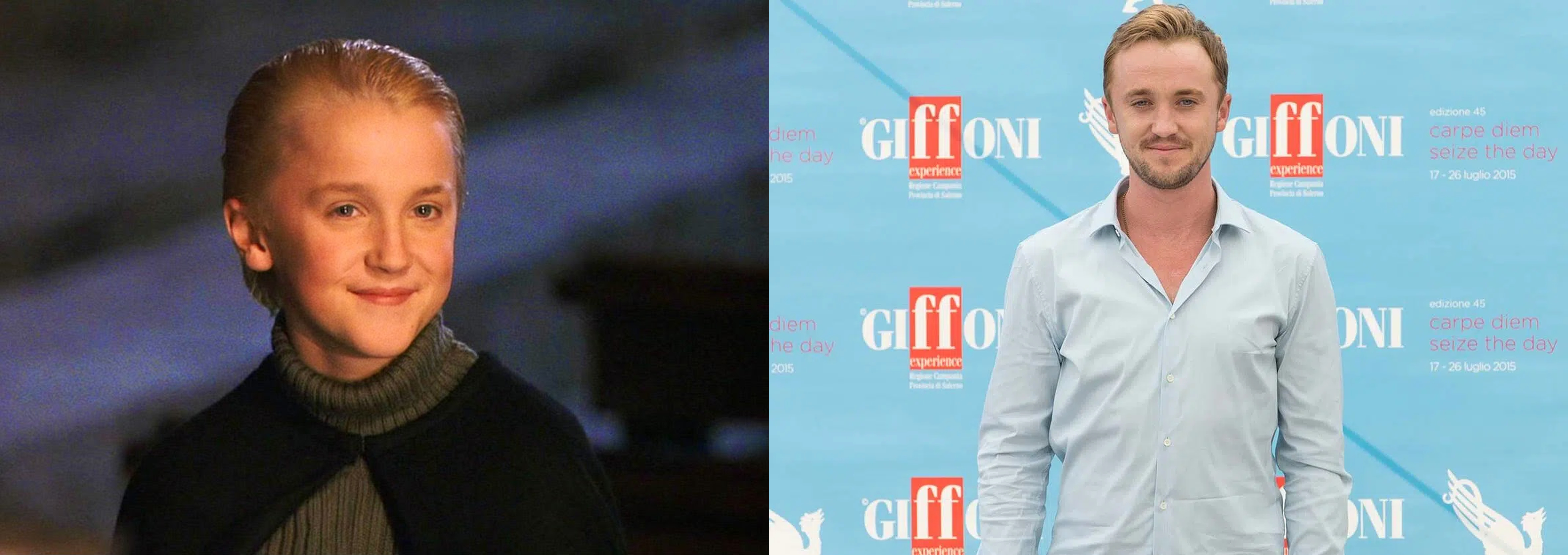
His transition from child star to adult actor was not always simple. Felton has spoken openly about the difficulties he experienced after moving to Los Angeles and trying to discover who he was outside the world of Harry Potter.
Unlike some actors who distance themselves from their most famous characters, Felton eventually became very comfortable with Draco’s place in his life. He frequently meets Potter fans, has written about his experiences and remains closely connected with former cast members.
Then, more than two decades after he first put on the Slytherin robes, something unexpected happened.
In November 2025, Felton returned to Draco Malfoy – not in a film, but on Broadway. He joined Harry Potter and the Cursed Child as the adult Draco, becoming the first major actor from the original film series to reprise his character in the stage production. His run has since been extended until January 3, 2027.
There is something especially fitting about the casting: Felton is now roughly the same age as Draco is in the play.
The schoolboy rival of Harry Potter has grown into a father – and so has the actor who played him.
Matthew Lewis – Neville Longbottom
In the first film, Neville Longbottom is the nervous Gryffindor boy who loses his toad, forgets the password to his common room and tries to stop Harry, Ron and Hermione from leaving their dormitory.
By the final film, Neville has become one of Hogwarts’ bravest defenders.
Matthew Lewis experienced a transformation of his own.
Lewis had actually been acting since early childhood before being cast as Neville, but Harry Potter made him internationally famous. After the films, much of the media attention initially focused on how different he looked from the round-faced schoolboy audiences remembered. The internet even began using his transformation as an example of a dramatic “glow-up”.
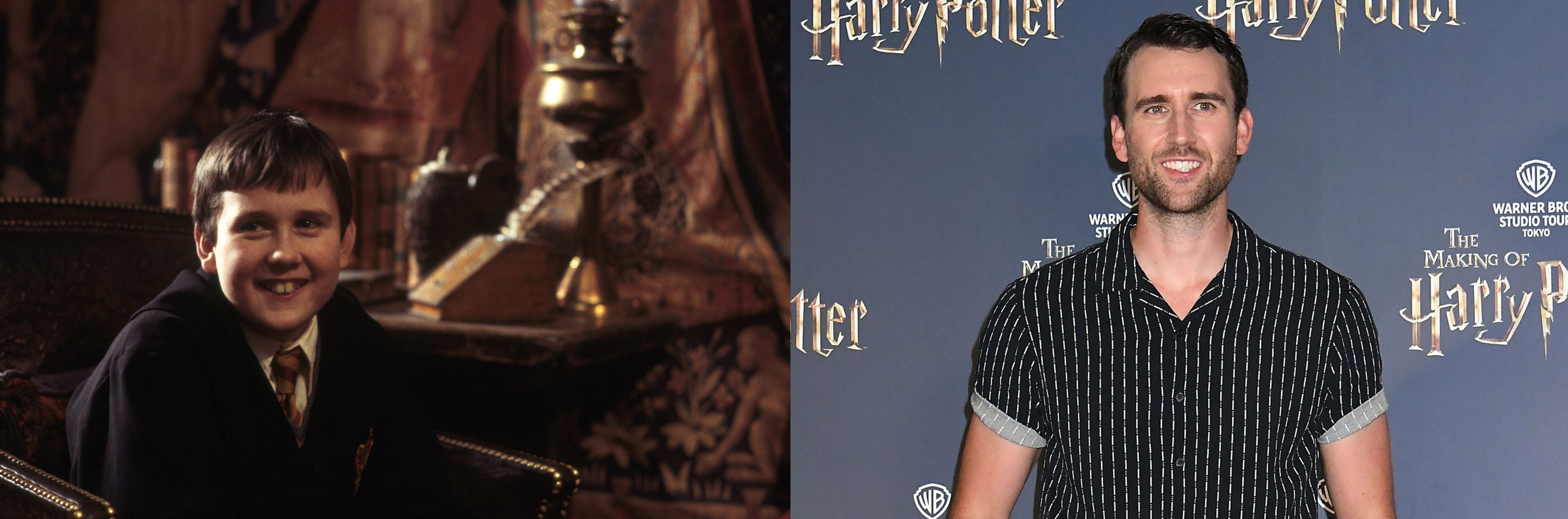
But concentrating only on his appearance misses the more interesting story.
Lewis successfully continued working as an actor. His television roles have included The Syndicate, Happy Valley, Ripper Street and All Creatures Great and Small. He also appeared alongside Emilia Clarke and Sam Claflin in the romantic drama Me Before You and has worked regularly in theatre.
Looking back on the Potter years, Lewis once described how strange it was to have his teenage future effectively planned for him. While other children wondered what the next few years might bring, he could simply read the new Harry Potter novels and discover what Neville would probably be doing in his next films.
His career after Hogwarts has been quieter than Radcliffe’s or Watson’s, but that may also be part of its success: he managed to become an adult working actor rather than simply remaining “Neville Longbottom”.
Bonnie Wright – Ginny Weasley
Bonnie Wright has only a small role in Philosopher’s Stone. As Ginny Weasley, she stands at King’s Cross Station, watching her brothers leave for Hogwarts and wishing that she could go with them.
Nobody watching that scene in 2001 would necessarily have guessed how important Ginny would later become.
Across the series, Ginny grows from Ron’s shy little sister into a confident witch, a member of Dumbledore’s Army and eventually Harry’s romantic partner.
Wright’s own life after Harry Potter took her in a very different direction from her character.
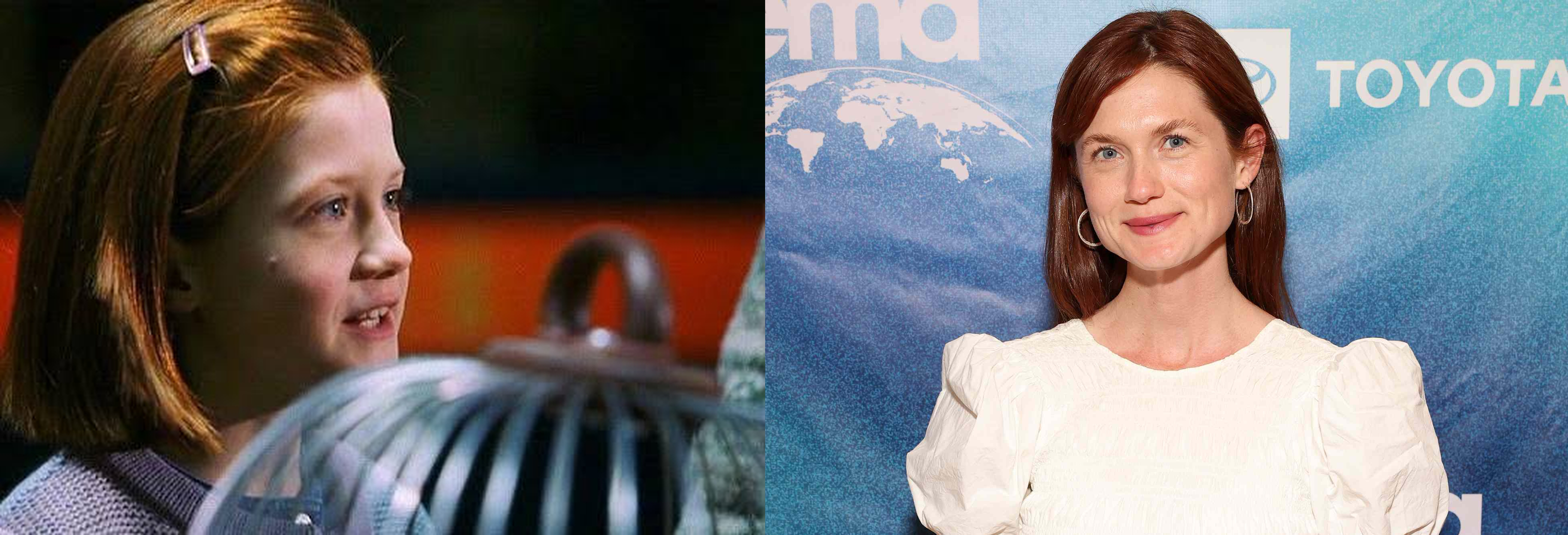
Although she continued acting for a time, she became increasingly interested in filmmaking itself. She studied film and television production at the London College of Communication and began directing short films, music videos and other projects. She also established her own production company.
Another important part of her adult life has been environmental activism. Wright has worked with environmental organisations and has spoken frequently about plastic pollution, sustainable living and the climate. In many ways, she moved from being the person standing in front of the camera to someone interested in what happens behind it – and in issues far beyond the film industry.
She has nevertheless remained friendly with the Potter world and has returned for reunion programmes and other projects connected with the films.
James and Oliver Phelps – Fred and George Weasley
James and Oliver Phelps were teenagers with almost no professional acting experience when they became the mischievous Weasley twins.
James played Fred and Oliver played George – although their real-life personalities were not necessarily identical to the characters they played.
Fred and George quickly became audience favourites, bringing humour to some of the darkest moments of the series. For the twins themselves, Potter became a decade-long acting school.
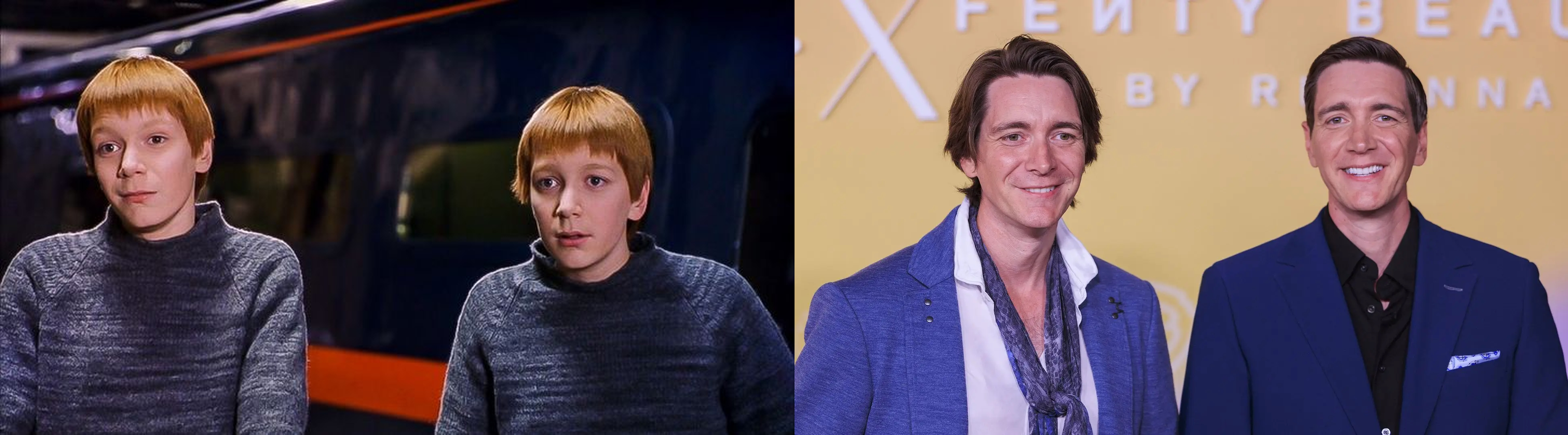
After the films finished, James and Oliver continued acting, travelling and working on different media projects. Unlike some former child actors who tried to separate themselves completely from their famous roles, the Phelps brothers have remained happily connected to the Harry Potter community.
That connection has recently become a major part of their professional lives again.
Since 2024, they have presented Harry Potter: Wizards of Baking, a television competition in which professional bakers create elaborate cakes and other designs inspired by the wizarding world. The programme is even filmed at Warner Bros. Studios Leavesden, where much of the original film series was produced. A third season was announced for 2026, with James and Oliver returning as hosts.
More than twenty years after Fred and George first created chaos at Hogwarts, the real-life twins are still returning to the same studios – although these days there is considerably more cake involved.
Alfred Enoch – Dean Thomas
Dean Thomas was never one of the central characters in the films, but he was a familiar face in Gryffindor throughout the series.
Alfred Enoch was only ten when he was cast in Philosopher’s Stone. After Potter, however, he built one of the strongest television and theatre careers among the actors who had smaller student roles.
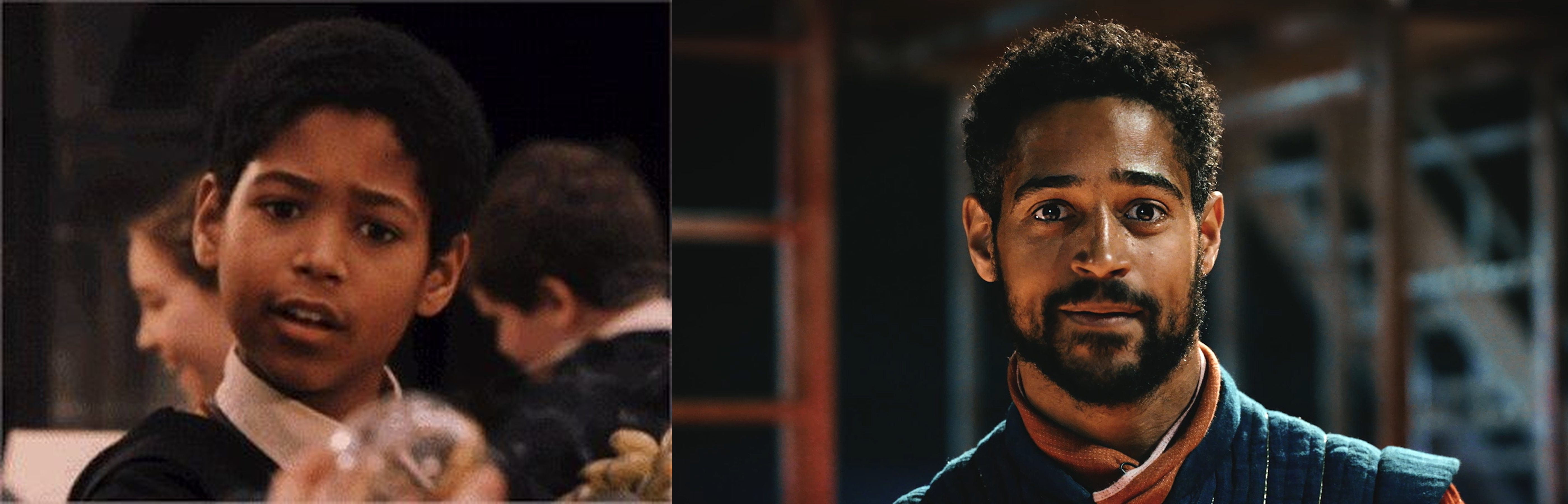
Enoch graduated from Oxford University and worked extensively on stage, including Shakespearean productions. His major international breakthrough came when he was cast as Wes Gibbins in the American legal thriller How to Get Away with Murder, starring Viola Davis.
The role changed his career completely. Instead of being remembered mainly as Dean Thomas, Enoch became familiar to millions of television viewers as an adult actor in his own right.
He later joined the science-fiction series Foundation, based on Isaac Asimov’s novels, playing Raych Seldon. Enoch himself has said that getting the role of Wes in How to Get Away with Murder changed his life.
For him, Hogwarts was the beginning of a career rather than its defining moment.
Harry Melling – Dudley Dursley
Harry Melling played Dudley Dursley, Harry’s spoiled and bullying cousin.
In Philosopher’s Stone, Dudley is probably best remembered for complaining about having only 36 birthday presents and later discovering that annoying a wizard can occasionally result in growing a pig’s tail.
Melling’s adult career has been one of the biggest surprises among the younger Potter cast.
His physical appearance changed significantly as he grew older, meaning that many viewers did not immediately recognise him in later roles. That actually helped him escape from Dudley more easily than some of his co-stars could escape their Potter characters.
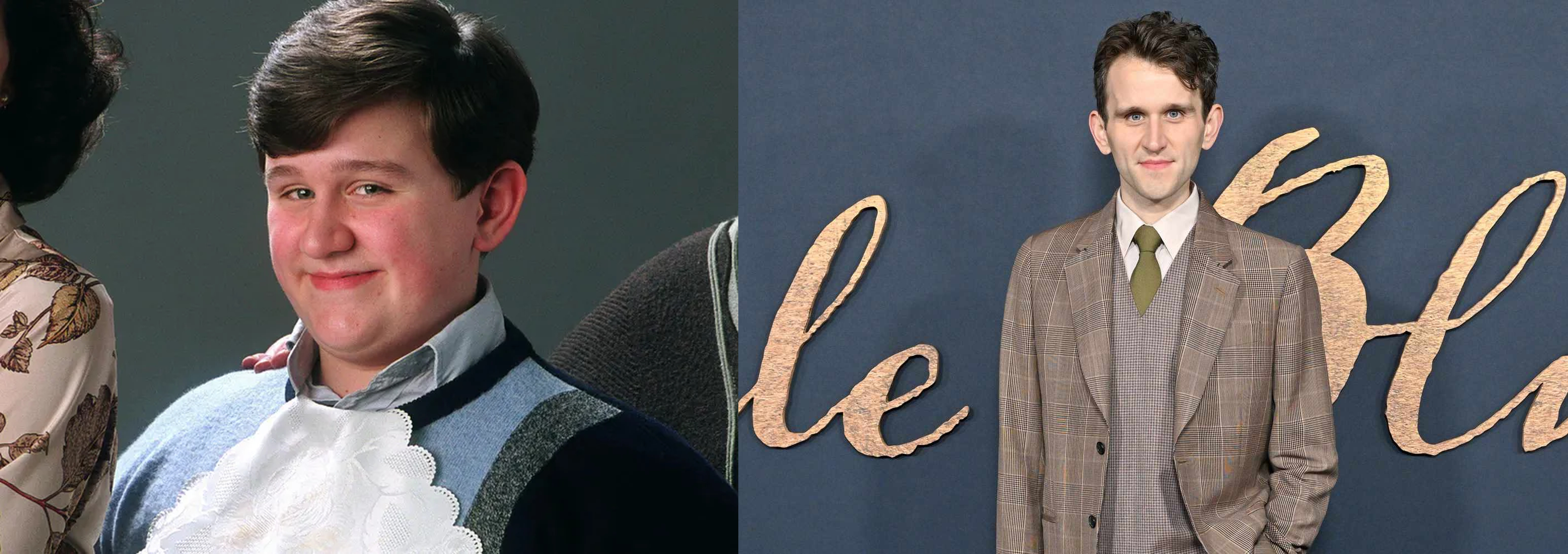
Melling gradually developed into a respected character actor. He appeared in the Coen brothers’ The Ballad of Buster Scruggs, the Netflix film The Old Guard and the thriller The Devil All the Time. He also gained considerable attention for playing chess player Harry Beltik opposite Anya Taylor-Joy in the hugely successful Netflix series The Queen’s Gambit.
He later portrayed Edgar Allan Poe in The Pale Blue Eye alongside Christian Bale.
It is a long way from Privet Drive.
The adults who gave Hogwarts its magic
The young Potter actors were surrounded by an extraordinary group of experienced British and Irish performers.
For children taking their first steps in professional acting, working beside people such as Richard Harris, Maggie Smith, Alan Rickman, Robbie Coltrane, Julie Walters and John Hurt must have been an education in itself.
Many of those actors already had remarkable careers long before Harry Potter existed.
Richard Harris – Albus Dumbledore
Richard Harris played Hogwarts headmaster Albus Dumbledore in the first two films.
His version of Dumbledore was gentle, quiet and almost grandfatherly. Harris was already a legendary actor, known for films such as This Sporting Life, Camelot and The Field, when he entered the Potter world.
Sadly, his time at Hogwarts was short.
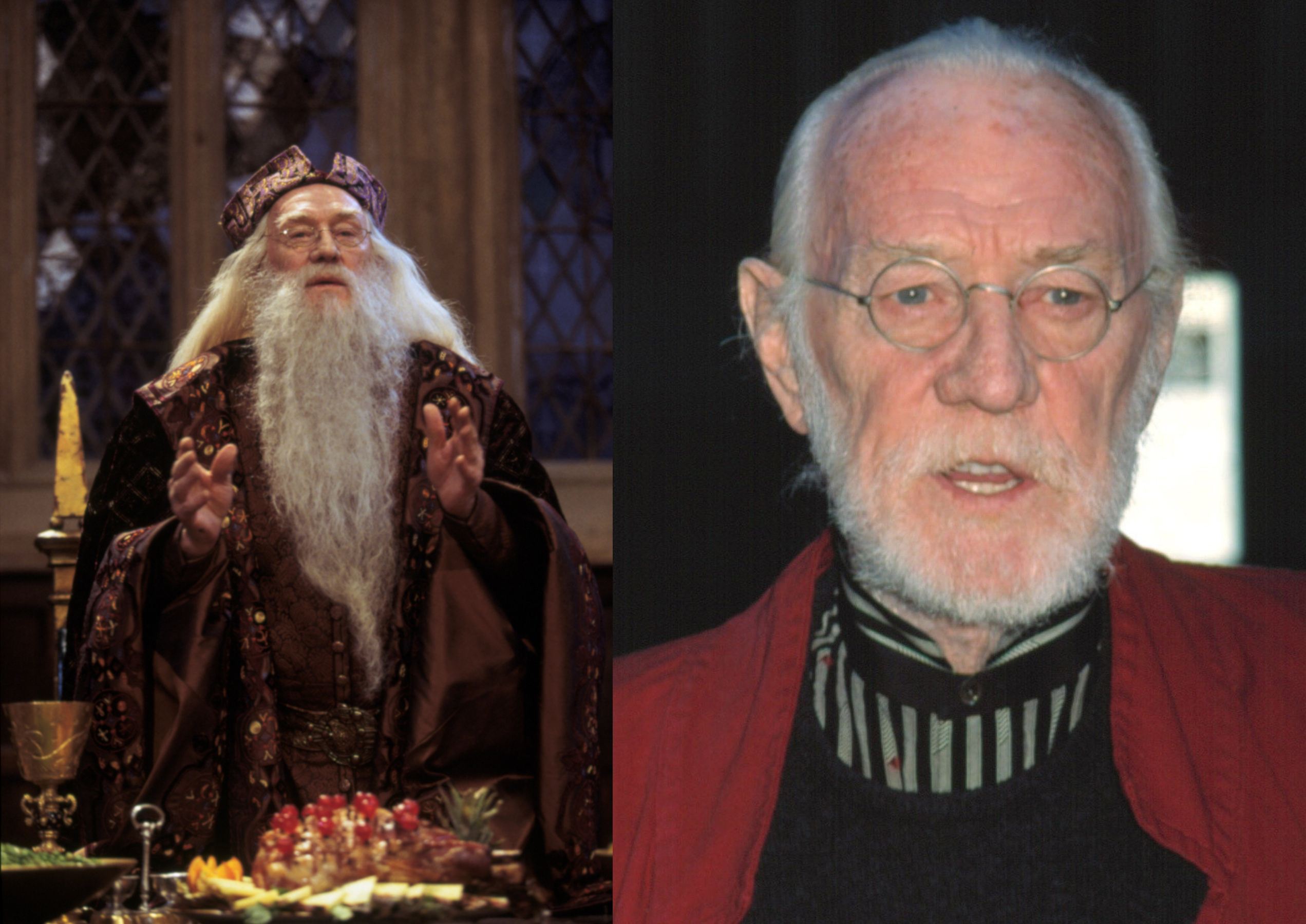
Harris died in October 2002 at the age of 72, shortly before Harry Potter and the Chamber of Secrets was released. He had been suffering from Hodgkin lymphoma.
From the third film onwards, Michael Gambon took over the role.
For people returning to the first two films today, Harris’s calm version of Dumbledore gives them a particularly warm and slightly old-fashioned atmosphere.
Maggie Smith – Professor Minerva McGonagall
Dame Maggie Smith was already one of Britain’s most respected actors when she became Professor McGonagall.
She brought exactly the right mixture of strictness, intelligence and hidden warmth to the Hogwarts professor. McGonagall could silence an entire classroom with one look, but audiences always knew that she cared deeply about her students.
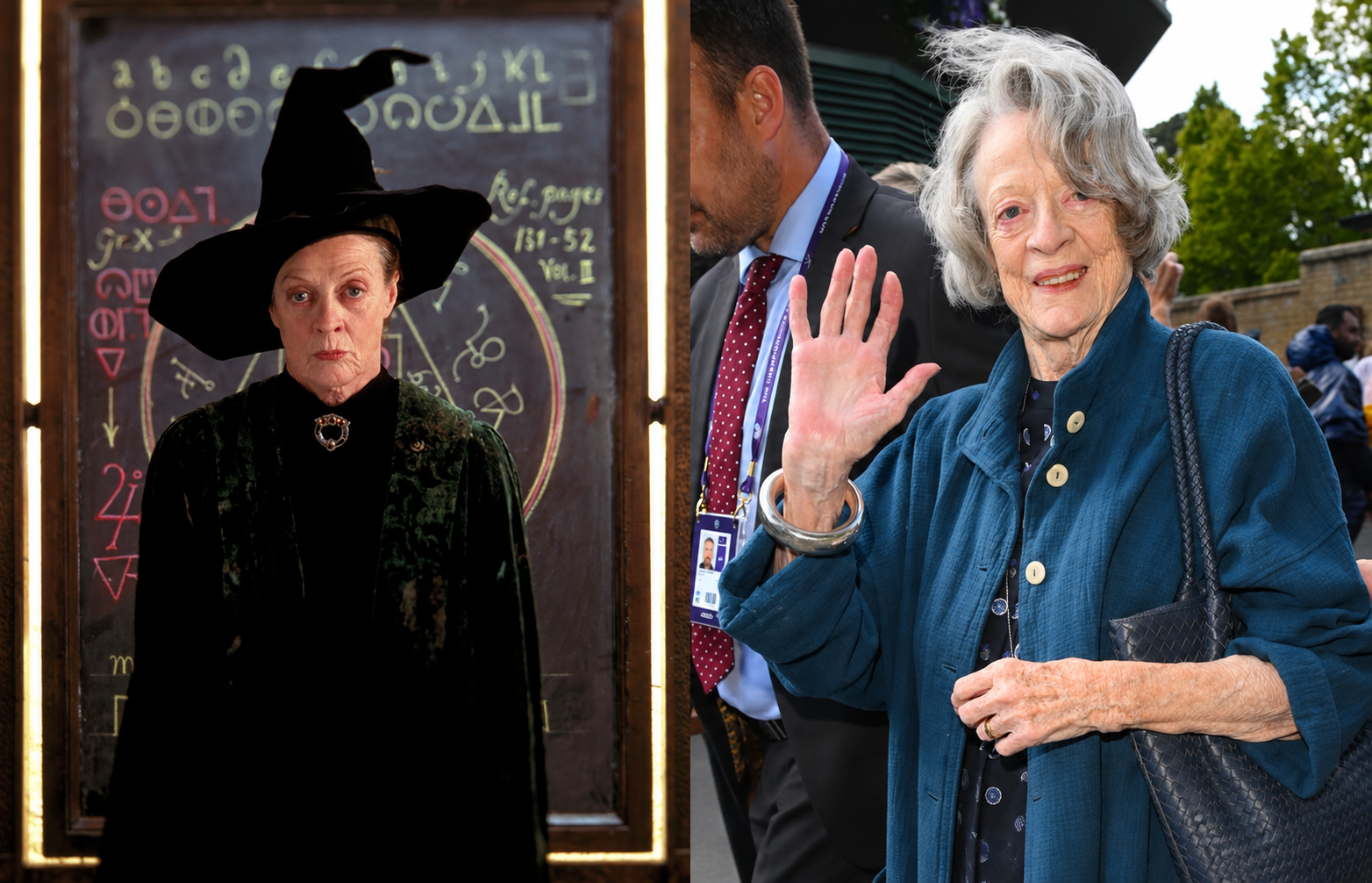
Smith continued working throughout and after the Potter years. A whole new audience discovered her as the wonderfully sharp-tongued Violet Crawley, Dowager Countess of Grantham, in Downton Abbey.
Her career lasted more than six decades and included two Academy Awards as well as major achievements in theatre, television and film.
Dame Maggie Smith died in September 2024 at the age of 89.
For Potter fans, however, she will always be the professor who could transform into a cat and somehow make a pointed hat look completely dignified.
Alan Rickman – Professor Severus Snape
From the moment Professor Snape silently enters the Great Hall and looks across at Harry in the first film, Alan Rickman makes the character impossible to ignore.
Rickman was already internationally famous before Harry Potter, particularly for playing Hans Gruber in Die Hard and for roles in films such as Robin Hood: Prince of Thieves and Sense and Sensibility.
But for an entire generation, Severus Snape became his most recognisable character.
Rickman appeared in all eight Potter films, slowly revealing more layers of a character who initially appeared to be simply an unpleasant teacher. His voice, controlled movements and long pauses became an essential part of the film version of Snape.
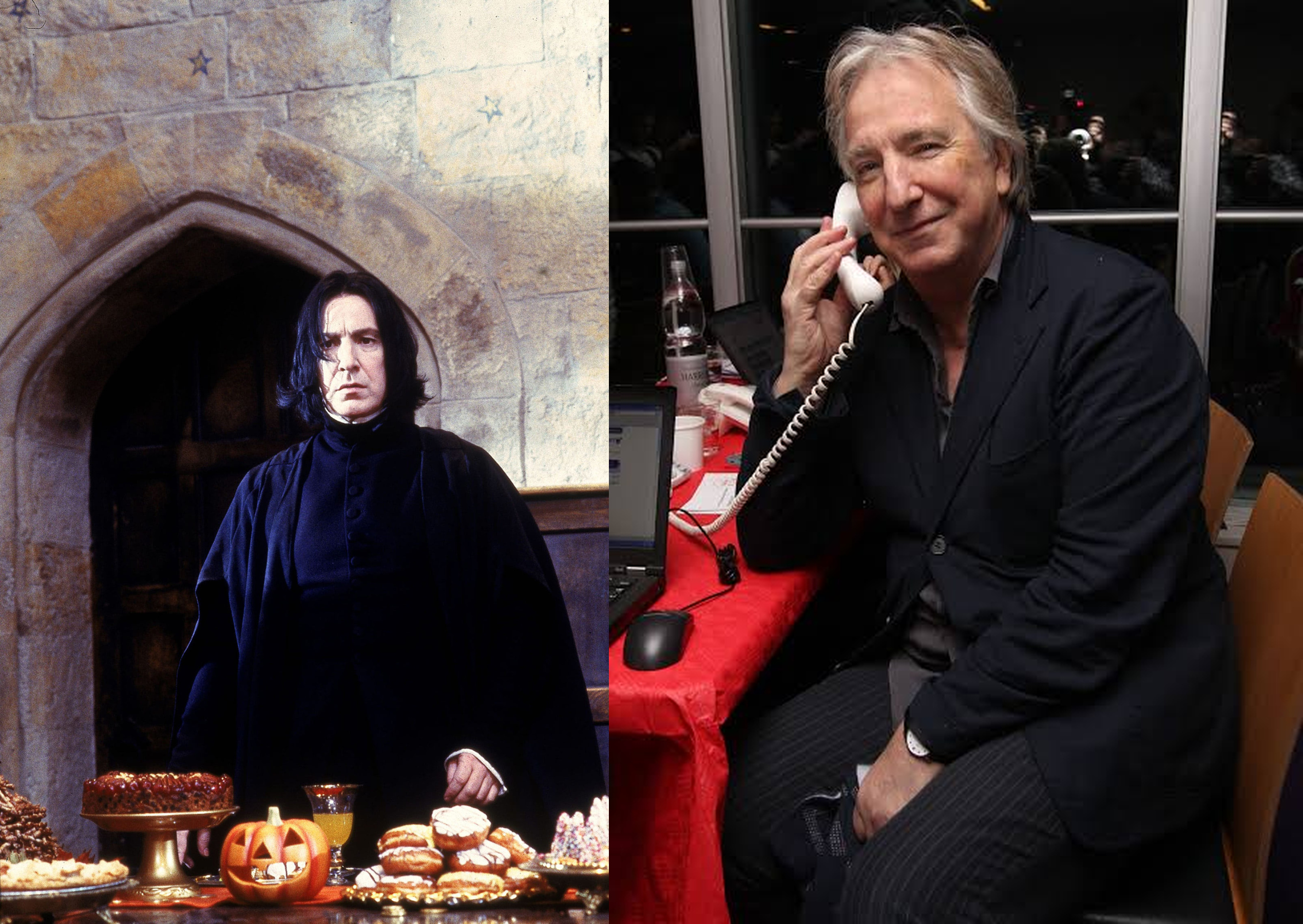
Away from Hogwarts, Rickman continued his successful stage and film career.
He died in January 2016 at the age of 69 after suffering from cancer.
Ten years later, his former Potter colleagues still speak warmly about him. Gary Oldman, who later played Sirius Black, recalled in 2026 how generous Rickman had been to children visiting the Potter sets.
That makes the man behind one of Hogwarts’ most intimidating teachers sound rather different from Snape.
Robbie Coltrane – Rubeus Hagrid
If Snape brought mystery to Hogwarts, Robbie Coltrane’s Hagrid brought heart.
Hagrid is the person who arrives at the miserable little hut on Harry’s eleventh birthday and tells him the words that change his life: he is a wizard.
Coltrane was already a major British television star before Potter, particularly because of his award-winning performance in the crime drama Cracker. But Hagrid introduced him to a much younger international audience.
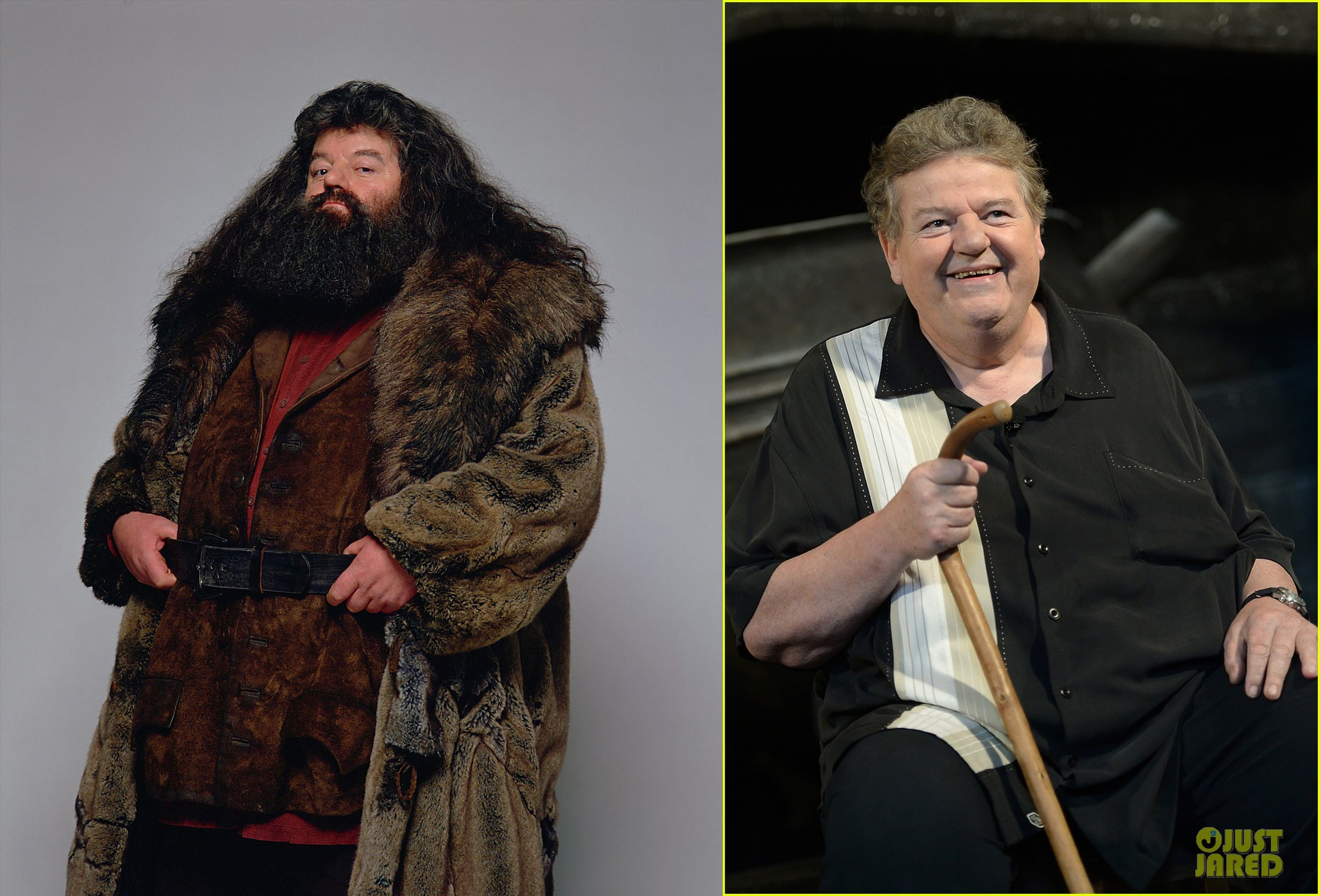
His enormous appearance, gentle voice and sometimes disastrous attempts to care for dangerous magical creatures made Hagrid one of the most loved characters in the films.
Coltrane played him throughout the series.
He died in October 2022 at the age of 72.
During the Return to Hogwarts anniversary programme, Coltrane reflected on the unusual fact that the films would continue to exist for generations. His words became especially moving after his death: future children would still be able to watch Hagrid opening the doors of Hogwarts long after the original actors were gone.
Richard Griffiths – Vernon Dursley
Richard Griffiths had the difficult job of making Harry’s Uncle Vernon both unpleasant and funny.
Vernon Dursley hates almost everything connected with magic and spends much of the first film desperately trying to prevent Harry from discovering who he really is.
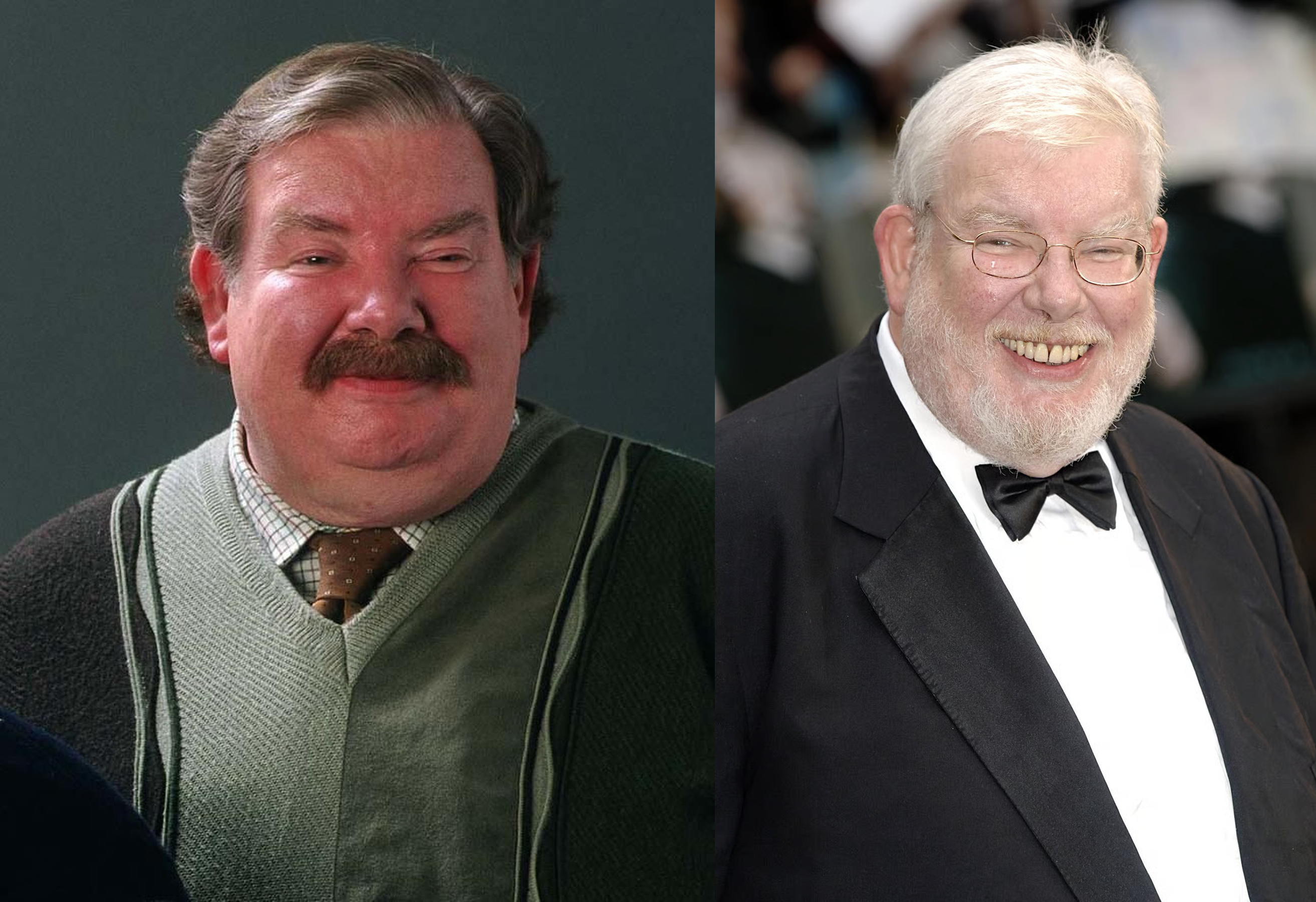
Outside Potter, Griffiths was a highly respected stage actor. One of his greatest later successes came with Alan Bennett’s The History Boys, in which he played the inspirational teacher Hector on stage and in the 2006 film adaptation.
He also had a personal connection with Daniel Radcliffe after Potter. The two actors appeared together on stage in Equus.
Griffiths died in 2013 at the age of 65 following complications after heart surgery.
John Hurt – Garrick Ollivander
John Hurt appears only briefly in Philosopher’s Stone, but his scene became one of the most memorable moments in the entire film.
As wandmaker Garrick Ollivander, he explains to Harry that the wand chooses the wizard – and reveals the disturbing connection between Harry’s wand and Lord Voldemort’s.
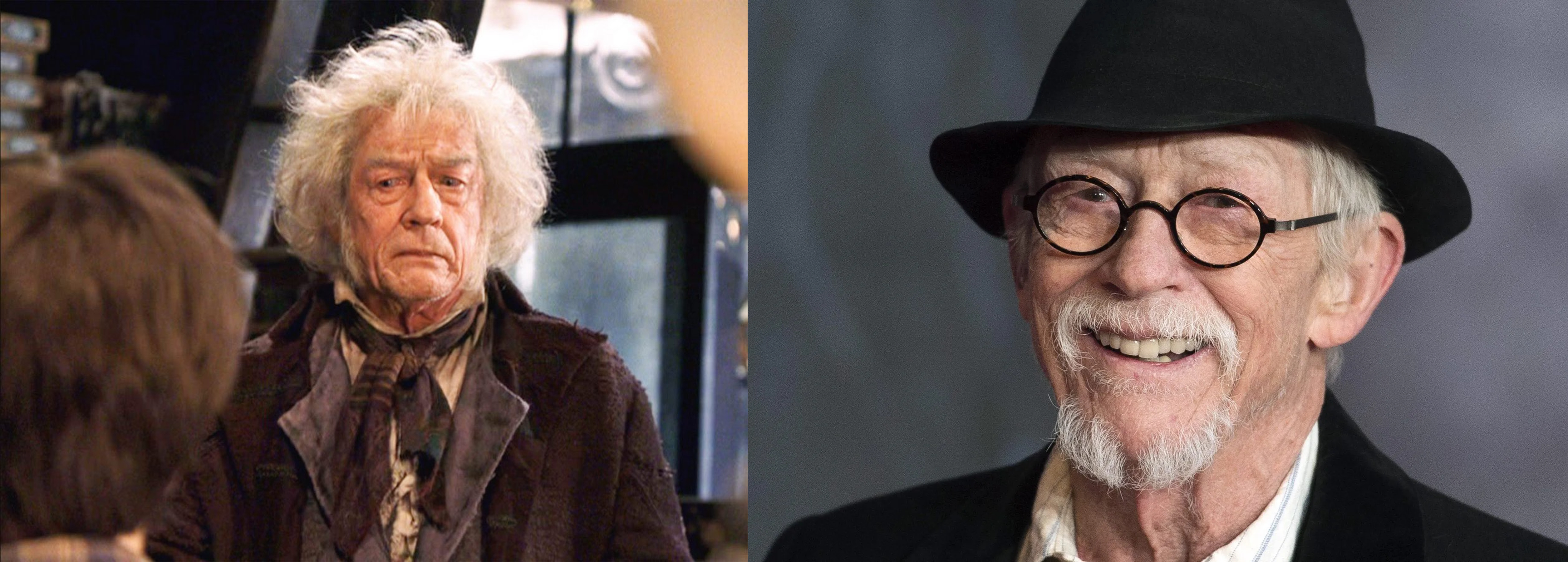
Hurt had already built an extraordinary career long before Harry Potter. His films included Alien, Midnight Express, The Elephant Man and Nineteen Eighty-Four. He later became part of another enormous British fantasy institution when he played the War Doctor in Doctor Who.
Hurt returned as Ollivander in the later Harry Potter films.
He died in January 2017 at the age of 77.
His appearance in the first Potter film lasts only a few minutes, yet his quiet voice and mysterious performance helped establish a basic rule of the wizarding world that remained important for the entire story.
Growing up on screen
Perhaps the most remarkable thing about Harry Potter and the Philosopher’s Stone today is not how much the special effects have changed or how different Hogwarts looked in the earliest film.
It is seeing the beginning of so many lives.
Daniel Radcliffe, Emma Watson and Rupert Grint had no idea that audiences would watch them grow from children into adults. Tom Felton could not have known that he would still be putting on Draco Malfoy’s blond hair more than two decades later. James and Oliver Phelps could hardly have imagined that they would return to Leavesden Studios as television presenters. Alfred Enoch and Harry Melling had no way of knowing that completely different roles would eventually introduce them to a new generation of viewers.
The older actors give the film another kind of emotional weight today.
Richard Harris, Alan Rickman, Robbie Coltrane, Maggie Smith, Richard Griffiths and John Hurt are gone, but their performances remain exactly as they were in 2001. Hogwarts still has Dumbledore sitting at the head table. McGonagall is still waiting with the Sorting Hat. Snape is still watching Harry suspiciously. Hagrid is still standing beside him as he enters Diagon Alley for the first time.
And perhaps that is one reason the first Harry Potter film has become so nostalgic.
It does not simply preserve a fictional world. It preserves a particular moment in the lives of the people who created it.
In 2001, Harry, Ron and Hermione were children meeting on a train.
In 2026, the actors who played them are adults approaching forty. Daniel Radcliffe is a Tony Award-winning stage actor. Emma Watson has stepped away from regular filmmaking and returned to university life. Rupert Grint is preparing to play Ron again – this time as an adult and a father. Tom Felton is already back on stage as Draco Malfoy. Meanwhile, James and Oliver Phelps continue returning to Hogwarts in a completely different role as television hosts.
Twenty-five years have passed, but the strange thing about film is that time can stop whenever we want it to.
Press play, and suddenly it is 2001 again.
Harry is still discovering Platform Nine and Three-Quarters. Ron is still trying to turn Scabbers yellow. Hermione is still telling the boys that they have dirt on their noses.
And Hogwarts is waiting for them for the very first time.
 Gergő's English Club