There are songs that become famous, and then there are songs that become almost impossible to separate from the person who sings them. My Way belongs firmly in the second group.
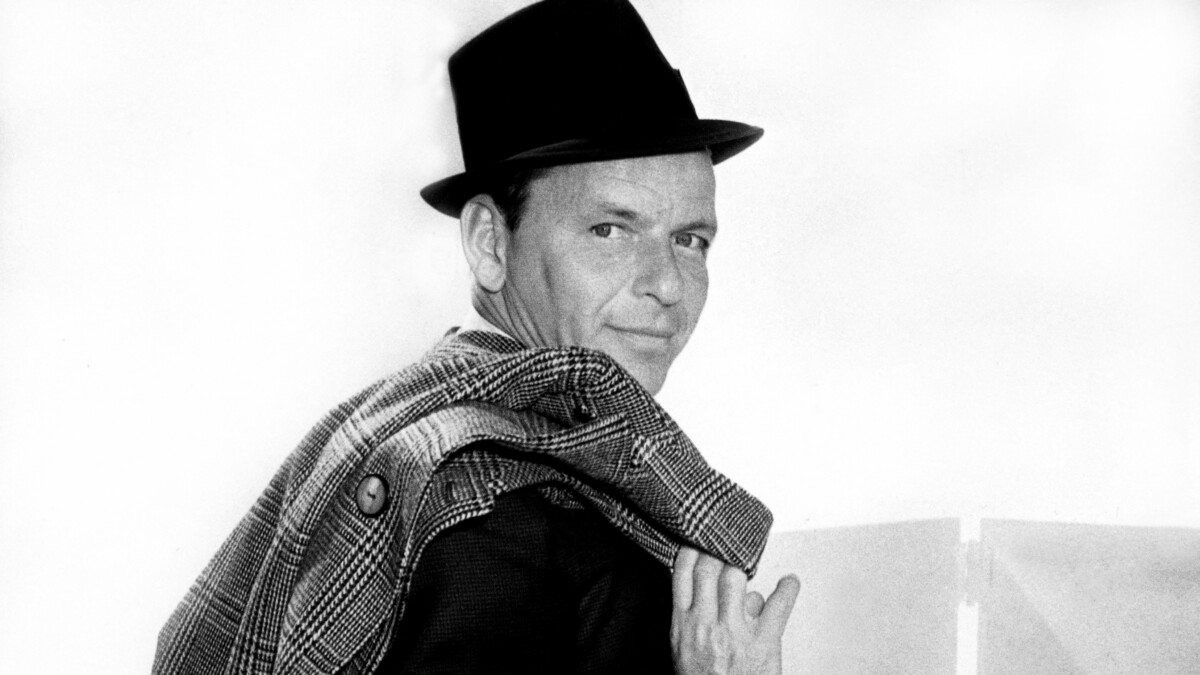
For millions of people, the slow opening, the dramatic orchestration and Frank Sinatra’s unmistakable voice seem to tell the story of Sinatra himself: a man looking back at his successes, failures, risks and regrets, but refusing to apologise for the life he chose to live.
The interesting part is that Sinatra did not write the song. In fact, My Way did not even begin as an English-language song.
Its journey started in France, passed through the hands of Canadian singer-songwriter Paul Anka, and finally arrived in a recording studio with Sinatra at the end of 1968. What happened next turned an already legendary entertainer into the voice behind one of the most recognisable songs of the 20th century.
But to understand why My Way suited Frank Sinatra so perfectly, we first need to understand the man behind the microphone.
From Hoboken to the Big Time
Francis Albert Sinatra was born on 12 December 1915 in Hoboken, New Jersey, into an Italian-American family. His rise to fame did not happen overnight, although once it began, it moved remarkably quickly.
After early performances with the Hoboken Four, Sinatra started attracting national attention as a singer with the orchestras of Harry James and Tommy Dorsey. By the early 1940s, his smooth voice and unusually conversational style of singing had made him a sensation. Young fans — especially the so-called “bobby-soxers” — followed him with an excitement that, in many ways, anticipated the teenage pop fandom of later generations.
Part of Sinatra’s magic was his phrasing. He did not simply sing the notes correctly. He seemed to live inside a song. A romantic ballad could sound like a private conversation, while a confident swing number could make him appear as if he owned the room.
By 1943, he had established himself as a solo artist, and soon he was everywhere: on records, radio, concert stages and cinema screens.
Yet Sinatra’s career was far from a straight road to the top.
The Fall — and the Comeback
By the beginning of the 1950s, Sinatra’s career had lost some of its earlier momentum. Musical tastes were changing, his record sales were weaker, and his personal life regularly appeared in the newspapers.
Then came one of the great comebacks in entertainment history.
In 1953, Sinatra appeared as Private Angelo Maggio in the war drama From Here to Eternity. The performance reminded audiences that there was far more to him than the glamorous nightclub singer they thought they knew. In March 1954, he won the Academy Award for Best Supporting Actor for the role.
At roughly the same time, his recording career found new energy. Sinatra signed with Capitol Records in 1953 and created some of the albums that would define his musical legacy, including In the Wee Small Hours, Songs for Swingin’ Lovers! and Come Fly with Me. Instead of treating albums as simple collections of unrelated songs, Sinatra helped turn them into carefully designed musical experiences built around a mood or theme.
By the late 1950s and early 1960s, Sinatra was no longer simply a successful singer. He had become an image of American style.
Las Vegas, expensive suits, whisky glasses, late nights and the famous Rat Pack, including Dean Martin and Sammy Davis Jr., all became part of the Sinatra legend. In 1960, he also founded his own record label, Reprise Records, giving himself greater artistic freedom.
Songs such as Strangers in the Night, That’s Life and It Was a Very Good Year added new chapters to an already extraordinary career.
Then, towards the end of the decade, another song arrived.
And strangely enough, it came from France.
Before My Way, There Was Comme d’habitude
The melody that would eventually become My Way originally belonged to the French song Comme d’habitude, released by Claude François in 1967.
The song was created by Claude François, Jacques Revaux and Gilles Thibault, but its emotional world was very different from the one English-speaking listeners would later associate with Sinatra.
Comme d’habitude — meaning roughly “as usual” — described a relationship that had become tired and repetitive. The two people still shared their daily routines, but the love between them seemed to be disappearing. Far from being a proud declaration of independence, it was a rather sad picture of two people slowly drifting apart.
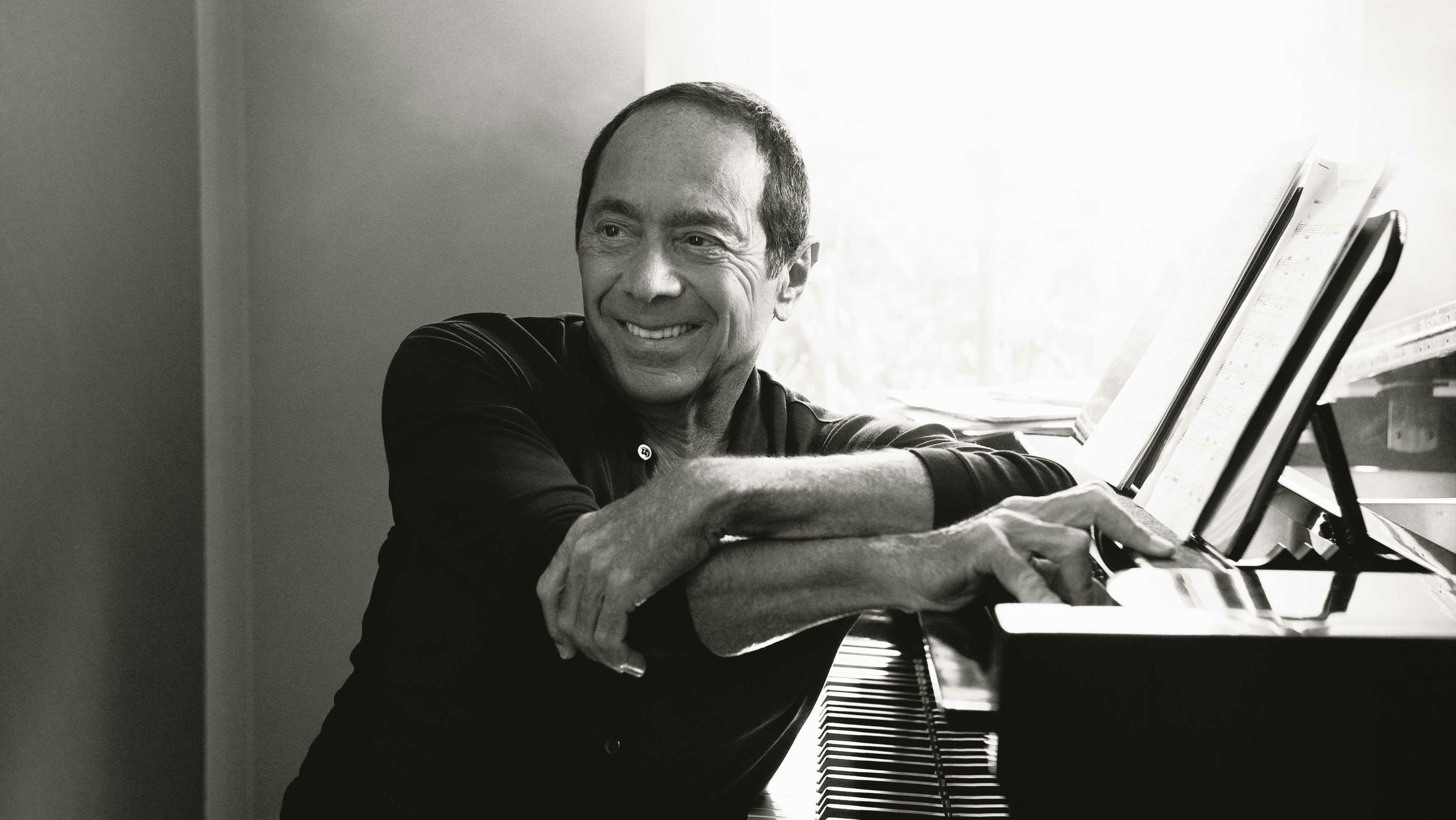
Paul Anka heard the song while he was in France and immediately recognised something in its melody. He acquired the rights to create an English-language version.
But he did not translate the French lyrics.
Instead, he waited for a completely different idea.
Paul Anka Gets an Idea
Anka already knew Sinatra socially. Although he was much younger, he had spent time around Sinatra and the entertainment world surrounding him.
According to Anka’s own account, an important moment came during a conversation with Sinatra, who told him that he was tired of the business and was considering walking away from it.
That idea stayed with Anka.
He began thinking about the French melody he had acquired and imagined what Sinatra might say if he were looking back over his life. Rather than writing a conventional love song, Anka created something closer to a personal statement — the reflections of a man who had made mistakes, taken chances, survived difficult moments and, above all, lived according to his own decisions.
Anka has recalled writing the new lyrics in a burst of inspiration, finishing them in only a few hours. Most importantly, he deliberately wrote them in a style that sounded like Frank Sinatra speaking.
That decision changed everything.
The song did not merely sound suitable for Sinatra.
It sounded as though Sinatra had written it himself.
One Take, One Classic
Frank Sinatra recorded My Way on 30 December 1968.
The arrangement was created by Don Costa, whose orchestration gradually builds around Sinatra’s voice. The recording begins quietly and almost intimately before becoming larger, stronger and increasingly dramatic.
According to Frank Sinatra Enterprises, the version that became famous was recorded in a single take.
That fact somehow feels appropriate.
Sinatra’s performance does not sound overly polished or carefully manufactured. There is confidence in it, but also weariness. The voice belongs to someone who sounds as though he has actually experienced the victories and disappointments he is describing.
Sinatra was only 53 when he recorded it, so it was hardly the final statement of an old man at the end of his life. In fact, his career would continue for decades. But the combination of Anka’s lyrics, the dramatic arrangement and Sinatra’s personal history created the illusion that we were hearing a man deliver the closing speech of an extraordinary life.
The single appeared in 1969, and something unusual happened.
It became much bigger than an ordinary hit.
The Song That Would Not Go Away
In Britain, My Way reached number five on the singles chart. More impressively, its original chart run became extraordinary: it spent 75 weeks inside the UK Top 40, demonstrating just how long audiences continued buying and listening to the record.
Its reputation grew far beyond chart positions.
People began using it at weddings, farewell parties, retirement celebrations and funerals. Amateur singers performed it in bars and karaoke clubs. Professional artists reinterpreted it in completely different musical styles.
Elvis Presley recorded it. Nina Simone transformed it. Sid Vicious of the Sex Pistols famously turned it into something wild and confrontational. Over the decades, the song travelled into almost every corner of popular culture.
In 2000, Sinatra’s recording was inducted into the GRAMMY Hall of Fame.
What makes its success particularly fascinating is that My Way is not really about a specific event. There is no detailed story and no particular place or person at its centre. Instead, it offers something listeners can easily make their own: the idea of looking back at life and accepting it as it was.
That is probably why the song has survived so well.
When Sinatra sings it, we hear Sinatra’s story.
When somebody else sings it, it can suddenly become theirs.
Sinatra and His Complicated Relationship with the Song
There is one final twist in the story.
Despite My Way becoming one of the recordings most closely associated with him, Sinatra was not always enthusiastic about it.
Over the years, he reportedly became uncomfortable with what he considered the song’s boastful tone. The irony is almost perfect. The world heard it as the ultimate Frank Sinatra anthem, while Sinatra himself was never entirely comfortable with the attitude it seemed to represent. Contemporary accounts and later interviews with Paul Anka have repeatedly noted this complicated relationship.
Yet he continued performing it.
Perhaps he understood that by then the song no longer belonged only to him.
It belonged to the audience.
More Than My Way
Reducing Frank Sinatra’s career to one song would, of course, be unfair.
His professional life lasted for decades and crossed almost every major area of American entertainment. He recorded more than 1,400 performances, appeared in more than 60 films and received major honours across music, film and American cultural life. His work ranged from intimate torch songs to big-band swing, jazz collaborations and Hollywood productions.
Songs such as Fly Me to the Moon, I’ve Got You Under My Skin, The Way You Look Tonight, New York, New York, Strangers in the Night and That’s Life remain part of his musical identity.
More importantly, Sinatra changed the way popular songs could be interpreted. He understood that great singing was not simply about having a beautiful voice. It was about making listeners believe every word.
Frank Sinatra died on 14 May 1998, aged 82. By then, he had been part of American popular culture for more than half a century.
A Song That Became a Life Story
Perhaps the greatest achievement of My Way is that it managed to turn fiction into something that felt completely real.
Paul Anka wrote the English lyrics. Claude François, Jacques Revaux and Gilles Thibault were behind the French song from which its melody came. Don Costa created the orchestral arrangement.
But when Frank Sinatra stood in front of the microphone, the song became his.
His career had included extraordinary success, public failures, difficult relationships, Hollywood glamour, career collapses, unexpected comebacks and decades of performances in front of audiences around the world. Few singers could have delivered a song about looking back on life with the same credibility.
That is why My Way still works.
It is not simply a song about confidence. Beneath the famous sense of pride there is also regret, age, memory and the knowledge that nobody gets everything right.
More than half a century after Sinatra recorded it, the song still appears whenever people want to say goodbye, celebrate a life or simply make one final statement about who they are.
And maybe that is the real story behind the tune.
Frank Sinatra did not write My Way.
But somehow, he made the whole world believe that he had lived it.
 Gergő's English Club