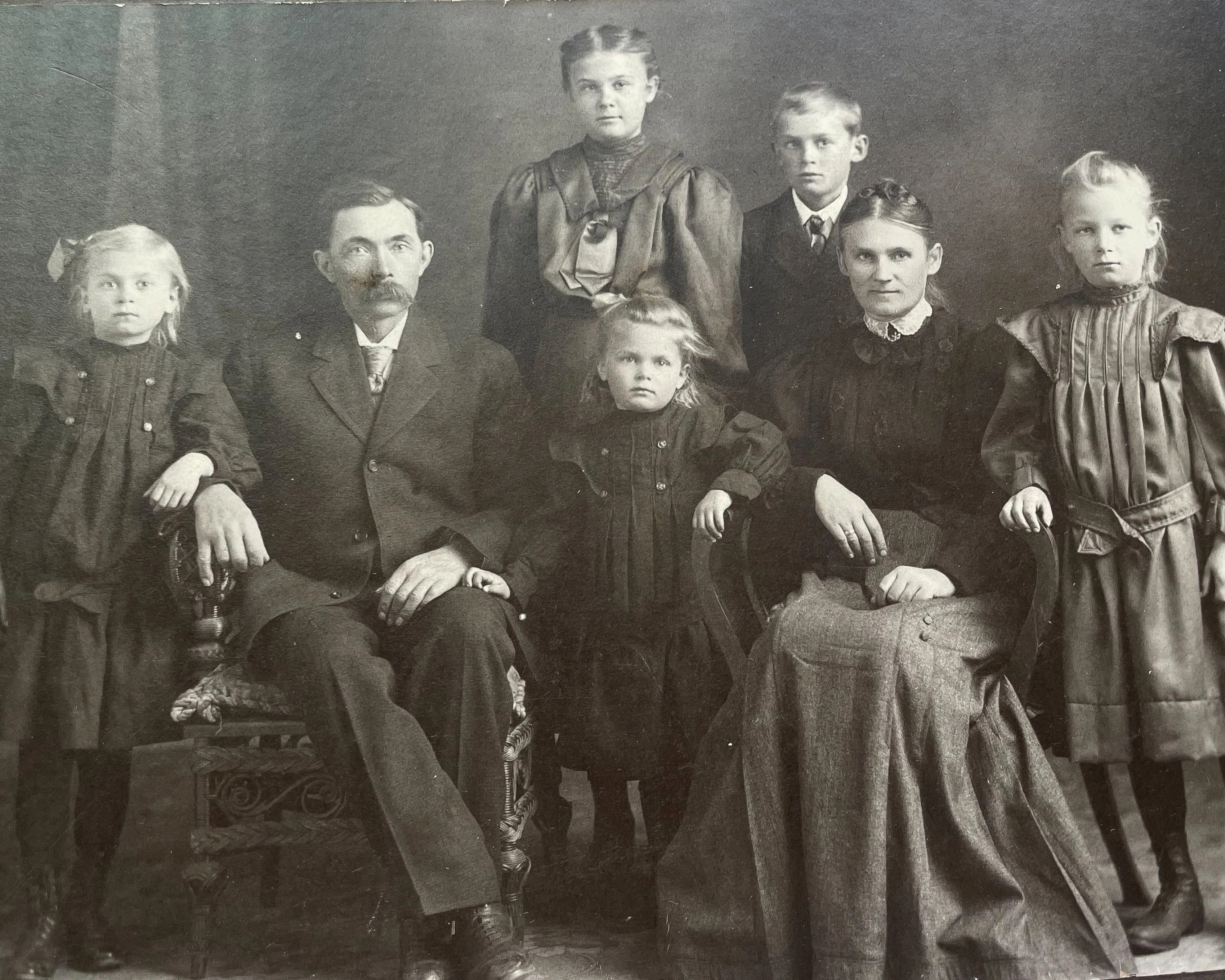
Take a look at an old family photograph from the 19th century. The people are usually dressed in their best clothes, sitting or standing perfectly still, and looking straight into the camera. Their expressions are often so serious that you might think they were having a particularly terrible day. Even children rarely seem to smile. Weddings, family gatherings and special occasions all appear strangely formal.
Now compare these photographs with the ones we take today. We smile at birthday parties, on holiday, at restaurants and even when we are simply having coffee with friends. A photograph without a smile can sometimes feel unusual.
So what changed? Were people in the past less happy than we are today? Or was there another reason for all those serious faces?
The answer is a fascinating mixture of technology, social traditions and changing ideas about how people wanted to be remembered.
The Problem with Early Cameras
One of the most common explanations is that early cameras were simply too slow to photograph a smile. There is some truth to this.
When photography became popular in the 1840s, taking a picture was very different from pressing a button on a modern camera. Early photographic processes required people to remain completely still, sometimes for several minutes. Any movement could make the final image blurry.
Photographers even used special equipment to support people’s heads and help them remain motionless. Imagine trying to keep a natural smile on your face for several minutes without moving. It would probably become rather uncomfortable!
However, this explanation only tells part of the story. Photography developed quickly, and by the middle of the 19th century, some cameras could take pictures in just a few seconds. Yet people continued to look serious for many more decades.
Clearly, something other than technology was responsible.
A Photograph Was a Serious Occasion
Today, most of us take photographs without thinking twice. We can take twenty pictures of the same scene and simply delete the ones we dislike.
For people living in the 19th century, however, having their photograph taken was often a special event.
Professional photography could be expensive, particularly in its early years. Some people might only have their portrait taken once or twice during their lifetime. Naturally, they wanted to look their best.
Before photography existed, wealthy families often paid artists to paint their portraits. These paintings usually showed people with calm, serious expressions. A portrait was supposed to communicate dignity, respectability and social position.
When photography arrived, many of these traditions continued. People dressed carefully, arranged their hair and adopted formal poses. A wide smile simply did not fit the image they wanted to create.
After all, a photograph was not necessarily about capturing a happy moment. It was about showing the world who you were.
When Smiling Was Considered Bad Manners
Perhaps the most surprising part of the story is that smiling did not always have the positive meaning it has today.
In many Western societies, particularly among the middle and upper classes, a serious expression was associated with good manners and self-control.
A broad smile, especially one showing the teeth, could suggest that a person was foolish, childish or even drunk. In traditional European paintings, artists often gave exaggerated smiles to comic characters or people from the lower classes.
This does not mean that people never laughed or enjoyed themselves. Of course they did! However, there was a difference between smiling in everyday life and showing a big grin in a formal portrait.
There is even a rather amusing detail from the history of photography. While modern photographers often ask us to say “cheese”, the 19th-century London photographer Richard Beard reportedly encouraged his customers to say “prunes”. The word helped people form the small, closed mouth that was considered fashionable at the time.
Imagine a photographer asking you to say “prunes” instead of “cheese” today!
But What About Their Teeth?
Another popular theory suggests that people avoided smiling because their teeth were in terrible condition.
Dental care was certainly less advanced in the 19th century. Tooth decay and missing teeth were common problems, and professional dental treatment was not available to everyone.
It is therefore possible that some people preferred to keep their mouths closed because they were embarrassed about their teeth.
However, historians generally agree that this cannot explain the whole mystery.
People can smile without showing their teeth, and not everyone in the 19th century had serious dental problems. More importantly, the tradition of serious portraits continued even after photography became faster and dental care improved.
The explanation is much more closely connected to social expectations than to people’s teeth.
Kodak Changes Everything
The biggest change began towards the end of the 19th century.
In 1888, George Eastman introduced the Kodak camera, making photography easier for ordinary people. Instead of visiting a professional studio, families could gradually begin taking their own photographs.
The arrival of the affordable Kodak Brownie camera in 1900 helped make amateur photography even more popular.
Suddenly, photographs were no longer reserved for formal occasions. People could capture holidays, picnics, children playing in the garden and unexpected moments from everyday life.
These pictures were more relaxed and spontaneous. People laughed, moved around and behaved naturally in front of the camera.
Advertising also played an important role. Kodak began presenting photography as an enjoyable activity associated with travel, family life and happy memories. Smiling people appeared in advertisements, encouraging customers to connect photography with happiness.
During the early decades of the 20th century, cinema and popular culture also helped change attitudes towards facial expressions.
By the 1920s and 1930s, smiling had become increasingly common in photographs. By the middle of the century, cheerful expressions were familiar features of family portraits and holiday snapshots.
The serious faces of Victorian photography were slowly disappearing.
Did People Really Never Smile?
Of course, the title of this article is not entirely accurate.
There are surviving photographs from the 19th century showing people smiling, laughing and making funny faces. Some photographers were interested in capturing natural expressions even when formal portraits remained the standard.
The difference is that these images were less common than the serious studio portraits we usually associate with the period.
In other words, people in the past were not necessarily less cheerful. They simply had different ideas about what a photograph should look like.
And perhaps that is the most interesting part of the story.
Today, smiling for a camera feels completely natural, but it is actually something we have learned to do. When someone points a phone at us, we often smile automatically, even if we were not smiling a moment earlier.
Our great-great-grandparents would probably have found this just as strange as we find their serious expressions.
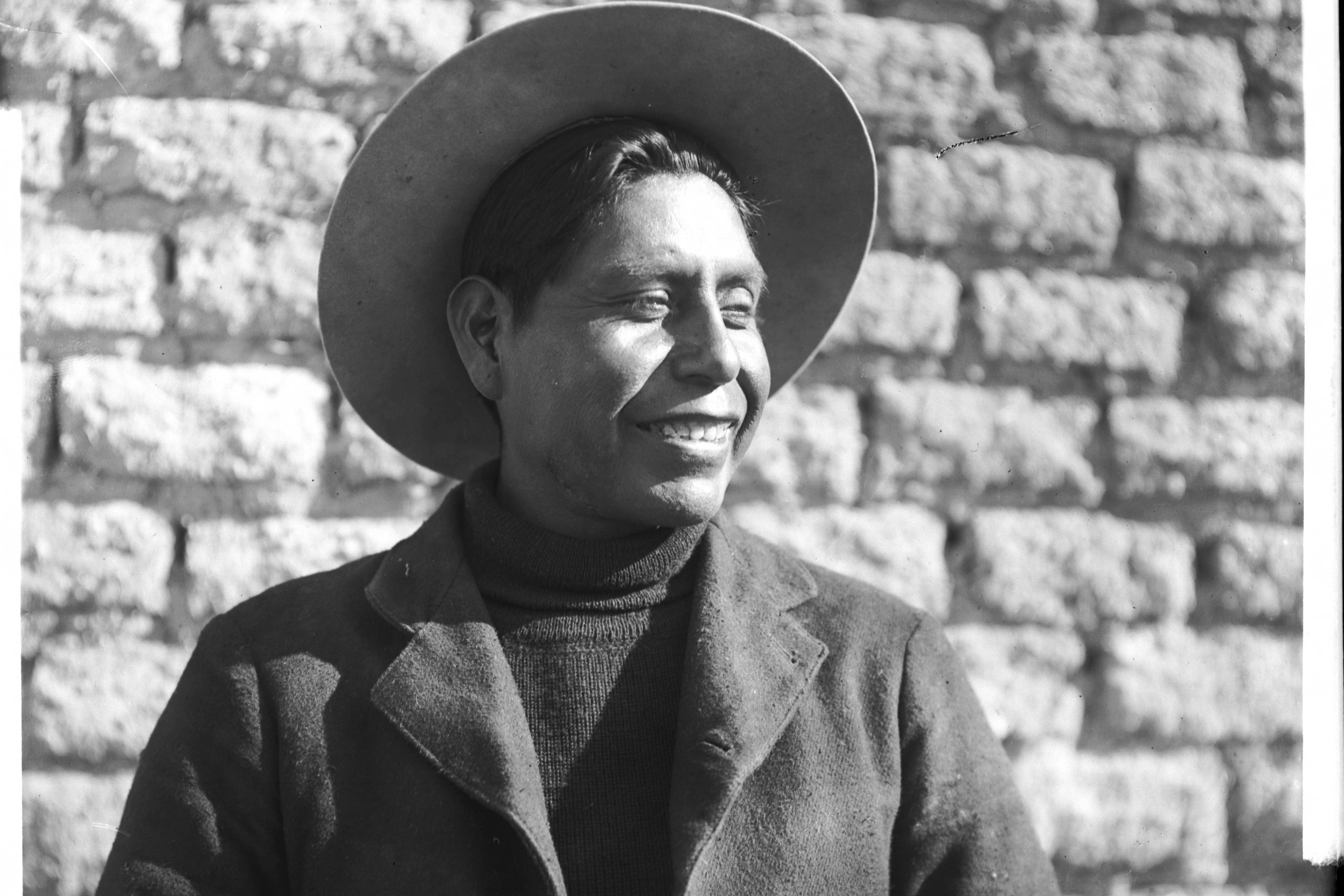
So the next time you discover an old family photograph showing several generations of unsmiling relatives, remember that those serious faces do not necessarily tell us anything about their happiness.
Behind those formal expressions were ordinary people who laughed at jokes, enjoyed spending time with friends and experienced the same emotions we do today.
They simply lived in a world where a photograph was something to take seriously.
And who knows? Perhaps a hundred years from now, people will look at our endless collection of smiling selfies and wonder why everyone in the early 21st century always seemed so incredibly happy.

